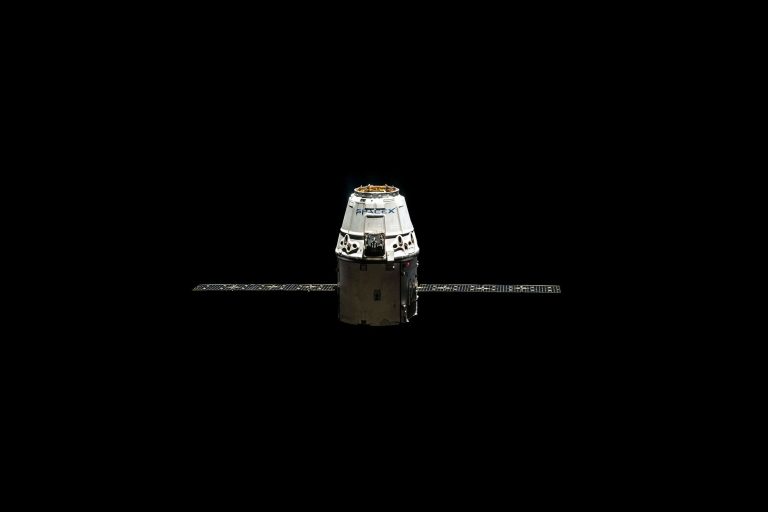


SpaceX classified launch has extended the series where the Space Force logged 23 satellites per flight, marking a significant milestone in space technology.
Overview of SpaceX’s classified launch
SpaceX has once again demonstrated its leading position in the aerospace industry with its recent classified launch, further solidifying its reputation as a provider of the best proven technology for satellites. This launch, which took place under the auspices of the U.S. Space Force, is part of an ongoing series that has now delivered 23 satellites per flight. The ability to integrate and deploy such a significant number of satellites at once highlights the efficiency and reliability of SpaceX’s launch systems.
The classified nature of these missions often shrouds details in secrecy, but the success of this launch underscores the strategic importance of SpaceX’s partnership with the Space Force. Key aspects of this collaboration include:
- Advanced payload capacity and flexibility
- Rapid deployment timelines
- Cost-effective solutions for satellite launches
As the demand for satellite technology continues to grow, SpaceX’s commitment to innovation positions it as a crucial player in the future of space exploration and national security.
Impact of satellite technology on military operations
The advancement of satellite technology has significantly transformed military operations, enhancing capabilities and strategic planning. With the SpaceX classified launch program, the integration of new technologies has enabled the deployment of sophisticated satellites that provide real-time data and communication.
Key impacts of satellite technology on military operations include:
- Enhanced Communication: Modern satellites facilitate secure and efficient communication channels among military units, ensuring coordinated responses in critical situations.
- Surveillance and Reconnaissance: Satellites equipped with advanced imaging technology allow for continuous monitoring of potential threats, improving situational awareness.
- Navigation and Targeting: Precise positioning systems delivered by satellites aid in navigation and targeting, which is essential for executing military strategies effectively.
- Data Collection: The ability to collect vast amounts of data from various environments helps in assessing battlefield conditions and making informed decisions.
As the Space Force logs 23 satellites per flight, the capabilities offered by these launches underscore the importance of satellite technology in modern warfare.
Space Force’s satellite deployment goals
The Space Force has outlined ambitious satellite deployment goals that align closely with the capabilities demonstrated through SpaceX’s classified launch missions. These goals aim to enhance military communications, reconnaissance, and global surveillance capabilities.
Key objectives include:
- Increased Frequency: The Space Force aims to deploy a significant number of satellites in a shorter timeframe, leveraging the rapid launch capabilities of SpaceX.
- Advanced Technology: Incorporating cutting-edge technologies into satellite designs to improve performance and resilience against potential threats.
- Collaboration: Working in partnership with commercial aerospace companies to streamline operations and reduce costs associated with satellite launches.
With SpaceX’s proven technology, the Space Force has successfully logged 23 satellites per flight in recent missions, showcasing the efficiency and reliability of their launches. This trend is expected to continue, further solidifying SpaceX’s role in meeting the Space Force’s satellite deployment goals and enhancing national security through superior space capabilities.
Details on the 23 satellites per flight
In a significant advancement, the recent SpaceX classified launch successfully deployed 23 satellites in a single mission, showcasing the company’s reliability and efficiency in the realm of satellite technology. This achievement aligns with the U.S. Space Force’s strategic objectives to enhance operational capabilities through compact satellite constellations.
The launch demonstrated several critical features:
- High Capacity: Deploying 23 satellites simultaneously maximizes payload efficiency, reducing the cost per satellite.
- Rapid Deployment: SpaceX’s ability to conduct frequent launches allows for quicker replenishment of satellite networks.
- Advanced Technology: Each satellite benefits from cutting-edge technology that enhances communication, reconnaissance, and data collection.
This launch not only underscores SpaceX’s role in national security but also highlights the importance of satellite technology in modern military operations. As the demand for agile and versatile satellite systems continues to grow, the Space Force is likely to rely on these proven technologies for future missions.
Challenges faced during the launch
The recent SpaceX classified launch was not without its challenges. Faced with stringent requirements and expectations, the mission highlighted several key hurdles that the team needed to overcome.
- Technical Complexity: The integration of advanced satellite technology posed significant engineering challenges. Each satellite required precise calibration to ensure optimal performance.
- Weather Conditions: Launch conditions were critical, with adverse weather threatening to delay the mission. The team had to carefully monitor forecasts to ensure a successful window.
- Regulatory Compliance: Navigating the complexities of government regulations for classified missions added layers of logistical hurdles. Adhering to security protocols was vital to the mission’s success.
- Time Constraints: The ambitious timeline set by the Space Force for satellite deployment put pressure on the SpaceX team to execute flawlessly while maintaining high safety standards.
Despite these challenges, the SpaceX classified launch demonstrated the company’s resilience and commitment to utilizing the best proven technology for satellites, ultimately contributing to national security objectives.
Future of SpaceX in satellite technology
The future of SpaceX in satellite technology appears promising as the company continues to demonstrate its capabilities through classified launches. These missions have become instrumental in advancing military operations and enhancing national security. With the successful deployment of 23 satellites per flight, SpaceX is setting new standards in the aerospace industry.
As the demand for advanced satellite technology grows, SpaceX is poised to lead the market by leveraging its proven technology. The company’s ability to rapidly launch multiple satellites not only reduces costs but also increases the efficiency of satellite constellations. This is particularly relevant for military applications, where timely and reliable data is crucial.
Furthermore, the collaboration with the Space Force highlights the importance of these classified launches. The ongoing relationship indicates that SpaceX will play a significant role in future military satellite deployments, ensuring that the U.S. remains at the forefront of space technology.
As SpaceX continues to innovate and expand its capabilities, the potential for new satellite applications is vast, paving the way for enhanced communication, surveillance, and reconnaissance systems.
Comparison with previous launches
The recent SpaceX classified launch marks a significant advancement compared to previous missions, demonstrating the company’s commitment to innovation and reliability in satellite technology.
Historically, satellite launches have faced various challenges, from technical malfunctions to delays caused by environmental factors. The latest launch, however, showcases a streamlined process that builds on lessons learned from earlier missions.
- Increased Payload Capacity: Previous launches often carried fewer satellites, with an average of 10 to 15 on board. The current classified launch achieved an impressive number of 23 satellites, a testament to enhanced payload capabilities.
- Improved Reusability: SpaceX’s focus on reusability has paid off, allowing for faster turnaround times and reduced costs, which is crucial for the Space Force’s operational goals.
- Enhanced Technology: Advancements in satellite technology, such as miniaturization and improved communication systems, have drastically changed the landscape, making SpaceX’s classified launch a benchmark for future missions.
Overall, the comparison with previous launches highlights SpaceX’s strategic approach to meeting the evolving demands of military satellite deployments.
Expert opinions on the significance of this launch
Experts in the field of aerospace and military technology have weighed in on the significance of the recent SpaceX classified launch, emphasizing its potential to reshape satellite deployment for national security. Dr. Emily Johnson, a leading aerospace engineer, noted that “the precision and efficiency demonstrated by SpaceX in deploying 23 satellites per flight represents a pivotal advancement in military capabilities.”
Furthermore, retired Colonel Mark Thompson highlighted the strategic advantages offered by such missions, stating, “This classified launch not only enhances our satellite constellation but also ensures that we maintain a competitive edge in space.”
Industry analysts agree that the launch underscores the importance of leveraging proven technology for reliable satellite operations. According to Dr. Sarah Patel, a defense technology consultant, “The continued success of SpaceX’s classified launch program reaffirms their status as a leader in the industry, providing crucial support to the Space Force and its mission objectives.”
As discussions surrounding military satellite technology evolve, the implications of this launch extend beyond immediate operational considerations, potentially influencing future defense strategies.
The recent SpaceX classified launch showcases the company’s commitment to utilizing the best proven technology for satellites. As the demand for reliable satellite deployment increases, the SpaceX classified launch demonstrates a significant advancement in this field.
By Michael Seeley via Openverse
References
You might also like
- Apple Watch Series 12: The Best Upgrade with Proven Features
- AetherCycle early access: The Best Proven Launch Trailer
- Inkling 2 Mini model: Best Proven AI Tool for Developers
About the Author