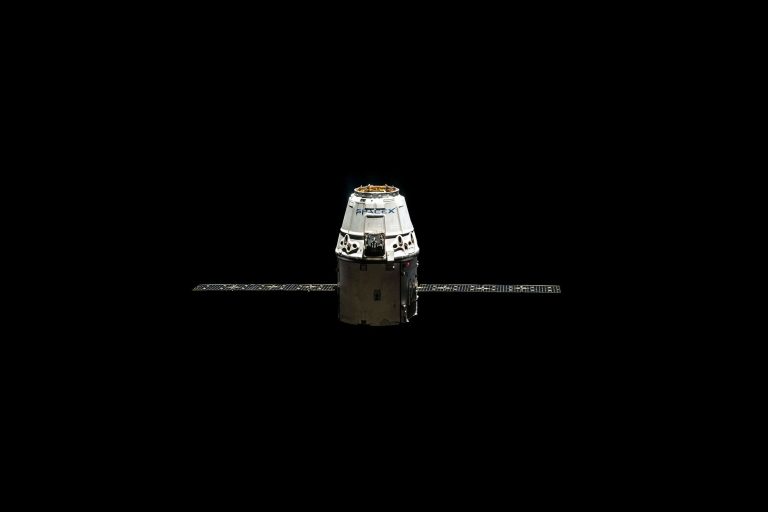

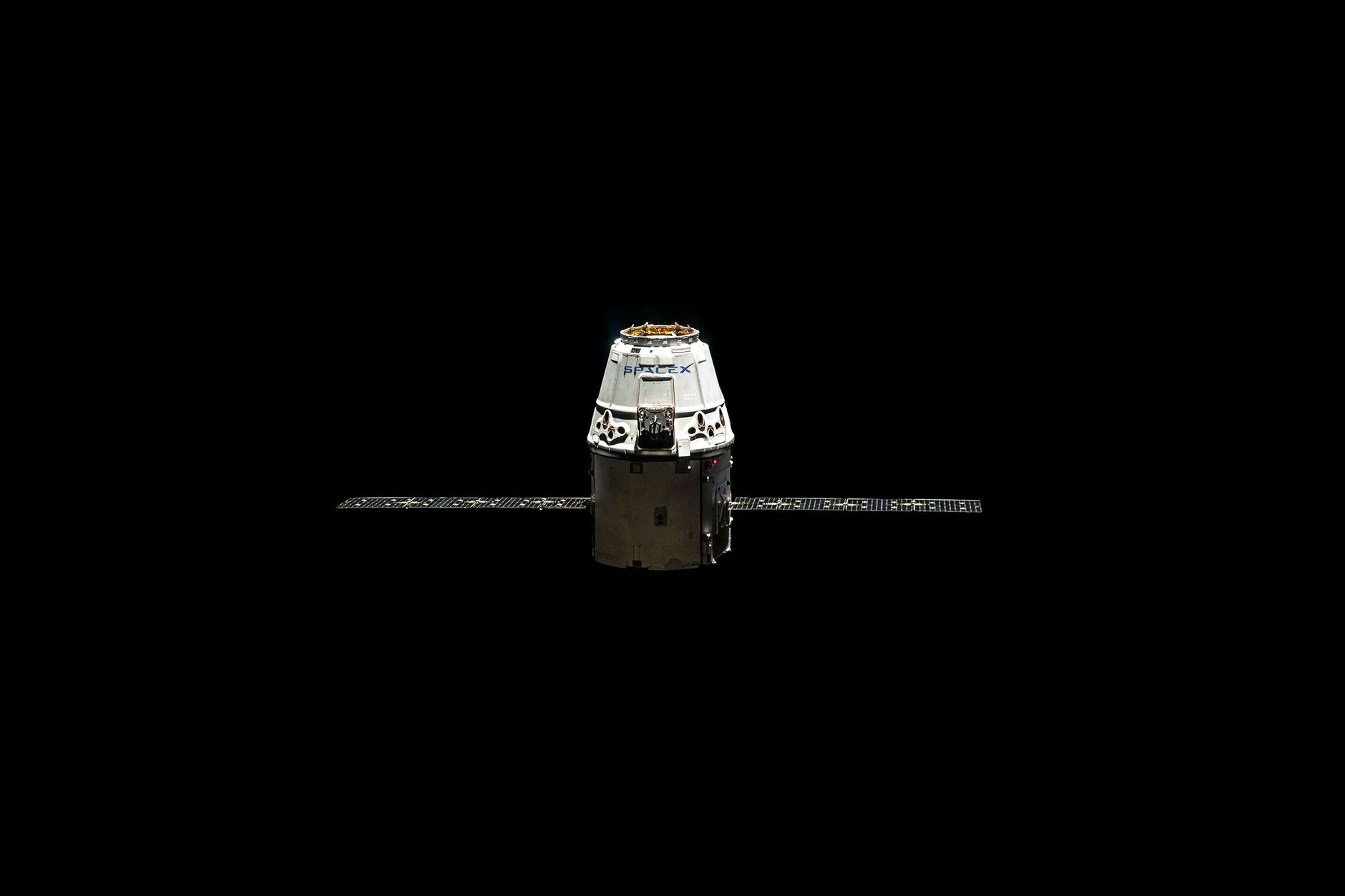
SpaceX Starship satellites were deployed successfully, showcasing the resilience of SpaceX technology. Despite the setback of the Super Heavy booster explosion, the mission achieved its primary goal.
Overview of the SpaceX Mission
SpaceX recently achieved a significant milestone in its quest to dominate satellite deployment with the successful launch of the Starship. This mission, which saw the deployment of 26 satellites, highlights the capabilities of the SpaceX Starship program in achieving reliable and efficient launches.
The mission commenced with the launch of the Starship atop the Super Heavy booster, which is designed to lift heavy payloads into orbit. However, the mission was not without its challenges, as the Super Heavy booster experienced a catastrophic failure upon splashdown in the Gulf of Mexico. Despite this setback, the successful deployment of the satellites signifies a new era in satellite technology and launch reliability.
The 26 satellites are part of a broader initiative aimed at enhancing global communication and connectivity. The use of the SpaceX Starship not only showcases the company’s innovative technology but also demonstrates its commitment to pushing the boundaries of space exploration.
Key points of the mission included:
- A successful launch despite challenges faced during the booster’s return.
- The deployment of multiple satellites in a single mission.
- Advancements in reusable rocket technology.
As SpaceX continues to refine the capabilities of its Starship, the future of satellite launches looks promising.
Impact of the Super Heavy Booster Explosion
The recent launch of SpaceX’s Starship marked a significant milestone in satellite deployment, even amidst the dramatic backdrop of the Super Heavy booster explosion. While the explosion occurred after the booster’s splashdown in the Gulf, the mission successfully deployed 26 satellites into orbit, showcasing the resilience and capabilities of the SpaceX Starship.
The explosion, which raised some concerns, did not overshadow the successful deployment of the satellites. The incident has prompted discussions in the aerospace community regarding the robustness of SpaceX’s recovery operations and the future of the Starship program. Experts believe that the successful satellite launch demonstrates the potential of the Starship architecture, even in the face of setbacks.
Key points regarding the impact of the Super Heavy booster explosion include:
- Launch Success: Despite the explosion, the satellite deployment was executed flawlessly.
- Recovery Challenges: The explosion highlights the challenges faced in booster recovery operations.
- Future Implications: The incident may influence future SpaceX Starship missions and their approach to safety protocols.
Overall, the combination of successful satellite deployment and the subsequent challenges reinforces the innovative spirit of SpaceX and their ongoing commitment to advancing space technology.
What This Means for Future Launches
The successful deployment of 26 satellites by the SpaceX Starship marks a significant milestone in the realm of space exploration and satellite technology. This accomplishment not only demonstrates the reliability of the Starship system but also paves the way for future launches.
The implications of this success are profound. Firstly, it showcases the potential for rapid and cost-effective satellite deployment, which could revolutionize industries reliant on satellite technology, such as telecommunications and Earth observation. As the demand for satellite connectivity continues to grow, SpaceX Starship satellites can help meet this need efficiently.
Moreover, the ability to launch multiple satellites in one mission increases the feasibility of large-scale projects, such as global internet coverage or advanced climate monitoring systems. The successful launch also enhances the credibility of SpaceX as a leader in the aerospace industry, encouraging partnerships and investments in future projects.
Additionally, this event indicates that SpaceX is moving toward a more sustainable model for space exploration. By refining their launch process, they can lessen the environmental impact often associated with space missions. As technology evolves, the integration of SpaceX Starship satellites into various sectors will likely become increasingly commonplace.
Details on the 26 Satellites Deployed
The recent SpaceX mission marked a significant milestone as it successfully deployed 26 satellites using the Starship system. This achievement highlights SpaceX’s continued commitment to expanding its satellite capabilities in the ever-evolving field of space technology.
During the mission, the Starship’s performance was closely monitored, especially following the dramatic explosion of the Super Heavy booster after its splashdown in the Gulf. Despite this setback, the launch showcased the reliability and efficiency of SpaceX’s satellite deployment processes.
Details of the 26 satellites deployed include:
- Communication Satellites: Designed to enhance global connectivity, these satellites aim to provide high-speed internet access to underserved areas.
- Earth Observation Satellites: These satellites are equipped with advanced imaging technology to monitor environmental changes and support scientific research.
- Research and Development Satellites: Aimed at testing new technologies, these satellites will contribute to future advancements in space exploration.
As SpaceX continues to refine its Starship technology, the successful deployment of these satellites underscores the potential for future missions and the company’s role in the satellite industry.
SpaceX’s Ongoing Innovations in Space Travel
SpaceX continues to push the boundaries of space exploration with its innovative approach to launching satellites. The recent deployment of 26 satellites using the Starship system showcases the company’s commitment to expanding its capabilities and enhancing its technology. This achievement is not just a testament to the reliability of the Starship launch vehicle but also highlights SpaceX’s ongoing innovations in space travel.
While the Super Heavy booster explosion was a significant setback, SpaceX has shown resilience by quickly adapting its strategies. The engineering teams are actively analyzing the incident to improve safety measures for future launches. Each mission contributes valuable data that refines their processes and strengthens the overall performance of the Starship system.
In addition to enhancing launch reliability, SpaceX is focusing on optimizing satellite integration and deployment techniques. This includes advancements in payload management and coordination with ground control systems. As a result, the successful deployment of multiple satellites in one mission opens new avenues for communication, research, and global connectivity.
With its innovative spirit and a track record of overcoming challenges, SpaceX remains at the forefront of the aerospace industry, making significant strides in launching its Starship satellites.
SpaceX Starship satellites have consistently demonstrated their reliability and efficiency in recent missions. As the company continues to refine its technology, the future looks bright for deploying even more SpaceX Starship satellites into orbit.
Photo by Pixabay on Pexels
Read the original
Related reading
- Huang hires Paul Weiss: Is This the Best Legal Move Ever?
- Dungeon Automata Release Date: Exciting News for Gamers!
- Check Windows Version: The Easy Guide to Your Device Specs
About the Author