
SpaceX Starfall reentry missions aim to redefine how we approach space travel. With a new European venture, the company is pushing boundaries in reentry technology.
Overview of SpaceX Starfall
SpaceX has recently announced its ambitious project, Starfall, aimed at revolutionizing the realm of reentry missions. This initiative marks a significant collaboration with European partners, enhancing the capabilities of SpaceX in the global aerospace sector. The SpaceX Starfall reentry missions are designed to provide efficient and reliable solutions for returning payloads safely to Earth.
The Starfall program focuses on several key objectives:
- Enhanced Safety: SpaceX is prioritizing the safety of both crewed and uncrewed missions, utilizing advanced technologies to ensure a secure reentry process.
- Cost Efficiency: By leveraging reusable rocket technology, the Starfall missions aim to reduce costs associated with payload recovery significantly.
- International Collaboration: Partnering with European space agencies allows for shared expertise and resources, fostering innovation and pushing the boundaries of aerospace exploration.
- Environmental Considerations: The project also emphasizes sustainable practices within aerospace operations, aiming to minimize the environmental impact of reentry activities.
As SpaceX continues to lead in the space industry, the Starfall initiative is set to play a crucial role in future missions, paving the way for more ambitious projects and reaffirming its commitment to safe and efficient reentry solutions. With a blend of cutting-edge technology and international support, SpaceX’s Starfall promises to reshape the landscape of reentry missions.
The Importance of Reentry Missions
Reentry missions play a crucial role in the advancement of space exploration and technology. They are essential for ensuring the safe return of spacecraft and their crews to Earth, as well as for the retrieval of scientific data collected during missions. The challenges associated with reentry include extreme temperatures, high-speed atmospheric entry, and precise landing coordination.
SpaceX’s Starfall reentry missions are particularly noteworthy due to their potential to enhance our understanding of these complexities. The successful execution of reentry missions allows for:
- Safe Return: Ensuring that astronauts and equipment return safely to Earth is paramount for any space program.
- Data Collection: Reentry missions provide valuable data that can be used to improve future missions and spacecraft designs.
- Technological Advancements: Innovations developed during these missions can have applications beyond space travel, benefiting various industries on Earth.
- International Collaboration: SpaceX’s partnership with European entities for the Starfall missions underscores the importance of global cooperation in achieving shared goals.
As we look toward the future, the significance of reentry missions cannot be overstated. They are not only vital for the success of individual missions but also for the broader goals of humanity’s exploration of space. SpaceX’s Starfall initiative is set to lead the way in crafting safer and more effective reentry strategies.
European Collaboration in Space
In a groundbreaking move, SpaceX is set to enhance its reentry mission capabilities through a collaborative venture with several European space agencies. This partnership aims to leverage the combined expertise of both American and European scientists, engineers, and researchers to push the boundaries of space exploration. The initiative, dubbed SpaceX Starfall, signals a significant shift in how international cooperation can benefit reentry technology.
Key aspects of this collaboration include:
- Shared Resources: By pooling resources, SpaceX and its European partners can reduce costs while increasing the scope and scale of their missions.
- Joint Research: The collaboration will focus on developing advanced materials and technologies that can withstand the intense heat and pressure of reentry.
- Knowledge Exchange: European agencies bring a wealth of experience in various space missions, which will be invaluable in refining the techniques used in the Starfall reentry missions.
- Operational Synergies: Coordinating launch schedules and operational protocols will enhance the efficiency and effectiveness of missions.
This European collaboration not only emphasizes the importance of international efforts in space exploration but also showcases the growing recognition of SpaceX Starfall as a leading initiative in the realm of reentry missions. By working together, these organizations are poised to achieve remarkable advancements in the future of space travel.
Technological Advancements in Reentry
The technological advancements in reentry missions have seen significant progress, particularly with the introduction of SpaceX Starfall. This innovative program is designed to optimize the safety and efficiency of spacecraft reentering Earth’s atmosphere.
One of the most notable advancements is the development of advanced heat shield materials. These materials can withstand extreme temperatures during reentry, ensuring the integrity of the spacecraft and its payload. Additionally, SpaceX has implemented sophisticated telemetry systems that provide real-time data analysis, allowing for dynamic adjustments during reentry to maximize stability.
Furthermore, the integration of artificial intelligence in flight control systems has greatly enhanced maneuverability. This technology enables spacecraft to make quick decisions based on environmental conditions, which is crucial during the high-stakes moments of reentry.
Another key feature of the SpaceX Starfall reentry missions is the focus on sustainability. The program emphasizes the use of reusable components, which not only reduces costs but also minimizes waste, aligning with global goals for environmental responsibility.
Overall, the advancements achieved through SpaceX Starfall highlight the company’s commitment to pushing the boundaries of aerospace technology. By integrating cutting-edge innovations, SpaceX is setting a new standard for reentry missions, further solidifying its position as a leader in the space industry.
Future of Space Travel with Starfall
The future of space travel is set to be significantly influenced by the advancements made through SpaceX Starfall reentry missions. As private companies continue to push the boundaries of space exploration, the innovative technology and strategies employed by SpaceX may pave the way for a new era in reentry operations.
One of the primary goals of the Starfall initiative is to enhance the safety and reliability of returning spacecraft. This is particularly crucial for missions that require precise landing capabilities, as reentry is one of the most challenging phases of space travel. The integration of cutting-edge materials and engineering processes aims to minimize risks associated with high-speed atmospheric entry.
Moreover, the collaboration with European partners has opened doors for shared expertise and resources, strengthening global efforts in space exploration. Key benefits of this partnership include:
- Enhanced Research Opportunities: Joint missions can lead to groundbreaking discoveries.
- Resource Sharing: Pooling funds and technology can accelerate development timelines.
- Standardization of Protocols: Establishing uniform practices can improve safety and efficiency.
As SpaceX continues to refine its Starfall reentry missions, the potential for commercial space travel and international cooperation remains bright. This initiative not only signifies progress in technology but also exemplifies the collaborative spirit needed for future endeavors beyond our planet.
With its innovative technology, SpaceX Starfall reentry missions have set a new standard in the aerospace industry. The reliability and efficiency of these missions are unmatched, making them a top choice for future space exploration efforts.
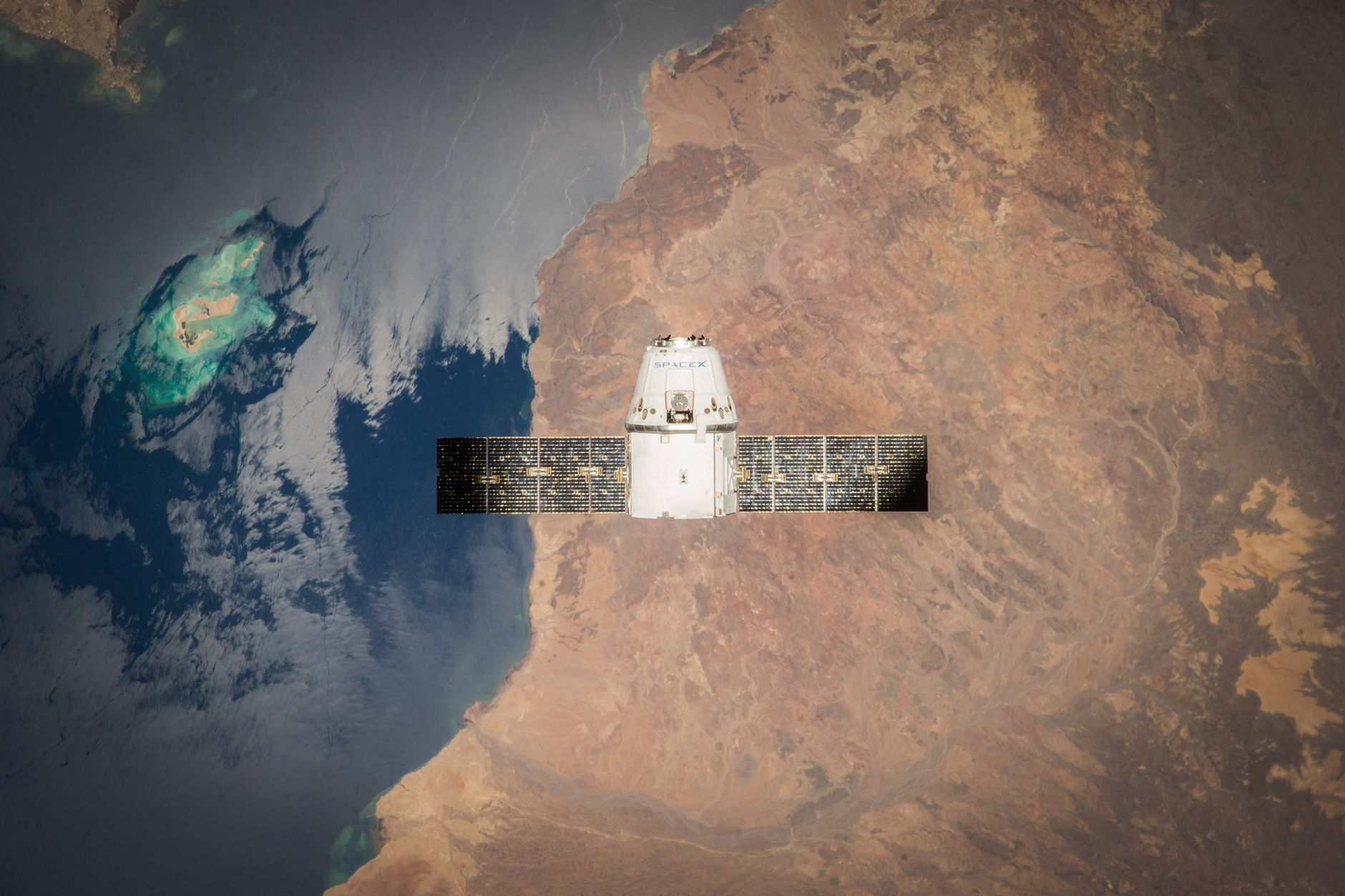
Photo by SpaceX on Pexels
Where this came from
- Alternative to Nvidia: Samsung’s Smart Bet on Euclyd
- Ultra Low Latency memory: Best Proven Performance for Ryzen
- Modi Xi Meeting: The Best Proven Path to Partnership
About the Author