
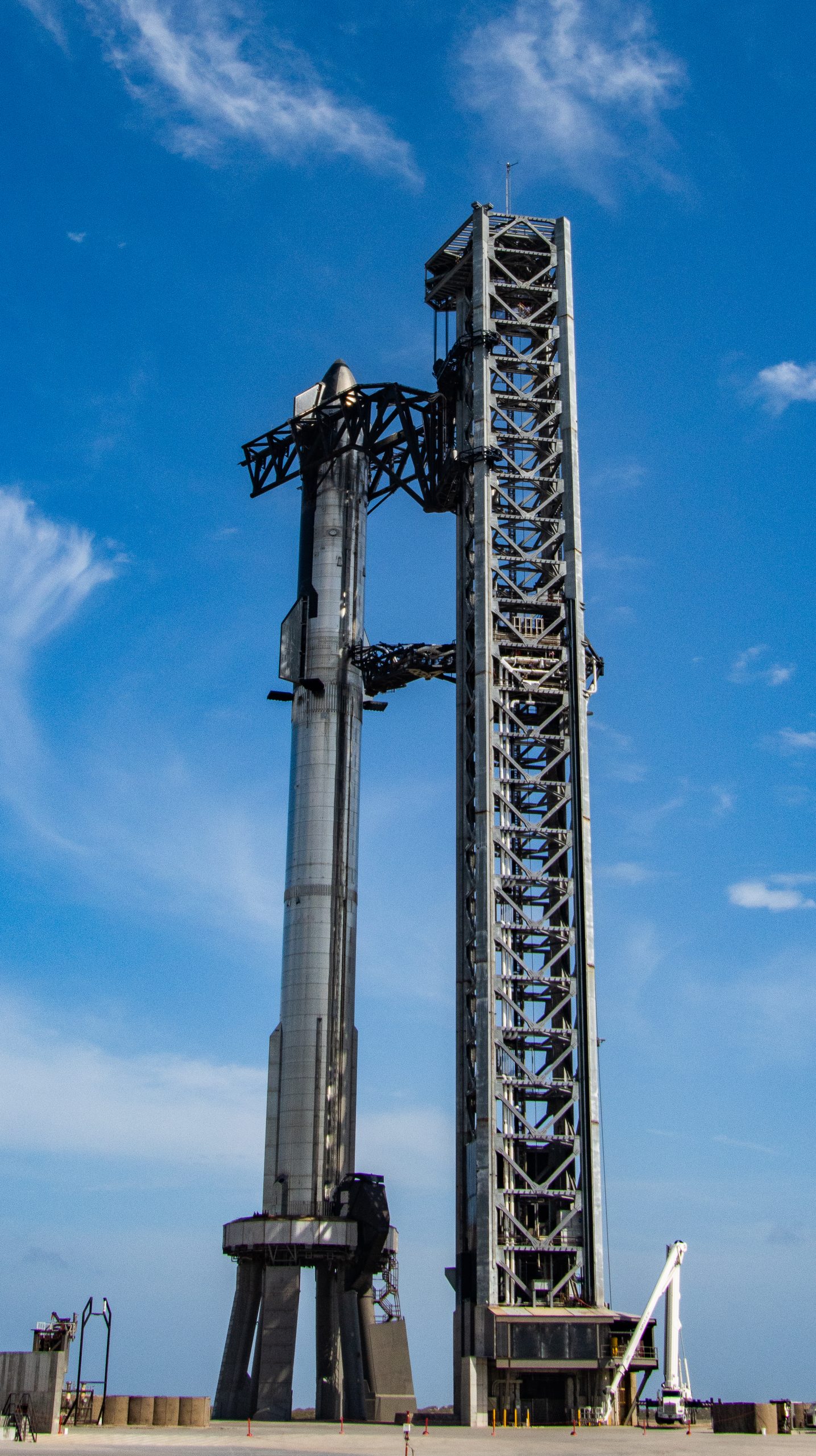
Starship orbital flight has finally achieved its goal, successfully reaching orbit while carrying 26 Starlink satellites. This marks a significant advancement in space technology.
Overview of Starship’s Mission
The recent Starship orbital flight marks a significant milestone in space exploration, showcasing advancements in rocket technology. This historic mission successfully launched on a clear day, demonstrating the capabilities of SpaceX’s latest rocket system.
Carrying 26 Starlink satellites, the flight aimed to illustrate not only the potential of the Starship but also its role in enhancing global internet connectivity. The mission showcased several key components essential for future space endeavors, including:
- Launch sequence efficiency
- Payload deployment accuracy
- Recovery systems for sustainable operations
During the mission, engineers monitored various parameters to ensure safety and performance standards were met. The successful deployment of the Starlink satellites highlighted the effectiveness of the Starship platform, paving the way for future missions that could involve crewed flights and interplanetary travel.
With this achievement, SpaceX aims to further refine the Starship design, emphasizing the importance of iterative improvements in achieving long-term goals in space exploration.
The Importance of Starlink Satellites
The recent success of the Starship orbital flight marks a significant milestone not only for SpaceX but also for the future of satellite communications. Among the various payloads onboard, 26 Starlink satellites were launched, demonstrating the capability of Starship to support large-scale deployments.
The importance of Starlink satellites cannot be overstated. They play a crucial role in providing high-speed internet access to underserved and remote areas around the globe. This mission highlights a synergy between advanced rocket technology and satellite communication, paving the way for more ambitious projects.
Key benefits of the Starlink initiative include:
- Global Connectivity: Expanding internet access to regions lacking infrastructure.
- Improved Communication: Enabling faster and more reliable connections for businesses and individuals.
- Innovative Technology: Supporting advancements in satellite and launch technologies.
As the Starship program continues to evolve, it will undoubtedly enhance the reach and performance of Starlink, further embedding satellite technology into our daily lives.
Starship’s Launch and Flight Details
Starship’s orbital flight marks a significant milestone in space exploration, demonstrating the vehicle’s capabilities and reliability. On its inaugural journey, Starship successfully carried 26 Starlink satellites into orbit, showcasing its potential for future missions.
The launch took place from the Texas coast, where the rocket’s powerful engines ignited, propelling it into the sky. As it ascended, engineers monitored various systems to ensure optimal performance. The mission was a testament to the extensive testing and development that Starship underwent prior to the flight.
During its orbital flight, several critical phases were executed, including:
- Launch Phase: Starship lifted off with a robust thrust, overcoming initial gravitational forces.
- Staging: The rocket successfully separated from its booster, a pivotal moment in the flight.
- Orbit Insertion: Starship achieved a stable orbit, allowing for the deployment of the Starlink satellites.
The success of Starship’s orbital flight not only paves the way for future missions but also reinforces the importance of advanced launch systems in supporting communication networks worldwide.
Challenges Faced During the Launch
The journey of the Starship orbital flight was not without its challenges, as engineers and crew faced numerous obstacles leading up to the launch. From technical difficulties to weather-related delays, each hurdle tested the resilience and adaptability of the team involved.
Some of the significant challenges included:
- Technical Glitches: Prior to the launch, several systems required last-minute adjustments, which put pressure on the timeline.
- Weather Conditions: Unfavorable weather forecasts threatened to delay the launch, necessitating a careful assessment of the situation.
- Regulatory Approvals: Navigating the complex landscape of regulatory compliance added another layer of difficulty, as approvals were needed to ensure safety and adherence to guidelines.
Despite these obstacles, the successful completion of the Starship orbital flight marks a pivotal moment in aerospace history. The mission not only demonstrates the capabilities of modern technology but also sets the stage for future endeavors in space exploration and satellite deployment.
Future Plans for Starship
The future plans for the Starship orbital flight program are ambitious and expansive, aiming to redefine space exploration. Following its recent successful launch, SpaceX is setting its sights on several key objectives.
- Increased Frequency of Flights: SpaceX intends to conduct regular Starship flights to enhance reliability and gather data for future missions.
- Interplanetary Missions: One of the primary goals is to prepare Starship for crewed missions to the Moon and Mars, paving the way for sustainable human presence beyond Earth.
- Satellite Deployment: Continued launches of Starlink satellites are planned, improving global internet coverage and supporting the financial viability of the Starship program.
- Commercial Launches: SpaceX aims to offer Starship services to commercial customers, expanding opportunities for satellite deployment and space tourism.
With these initiatives, the Starship program is poised not only to enhance our understanding of space but also to make it more accessible to various sectors, fueling interest and investment in the aerospace industry.
Starship orbital flight: What’s Next?
The recent success of the Starship orbital flight marks a significant milestone in space exploration and technology. With the launch of 26 Starlink satellites, the performance of the Starship has demonstrated its capabilities and potential for future missions.
As SpaceX looks ahead, several key developments are anticipated:
- Enhanced Testing: Continued testing of the Starship will be crucial to refine its systems and ensure reliability for future launches.
- Increased Capacity: Plans are in place to expand Starship’s payload capacity, enabling it to carry larger cargo and facilitate deeper space exploration.
- Interplanetary Missions: Future missions could include crewed flights to the Moon and Mars, supporting humanity’s goal of becoming a multi-planetary species.
- International Collaborations: SpaceX is expected to partner with other space agencies and organizations to enhance the scope and impact of upcoming missions.
As the space community eagerly anticipates the next steps, the success of the Starship orbital flight lays a strong foundation for upcoming endeavors in space travel.
Impact on the Space Industry
The successful Starship orbital flight marks a significant milestone in the space industry, showcasing advancements in technology and engineering. This achievement not only enhances SpaceX’s reputation but also sets a new standard for future space missions.
The implications of this flight extend far beyond SpaceX. Key impacts include:
- Increased Competition: The success of Starship is likely to spur competition among private space companies, leading to accelerated innovation.
- Cost Reduction: The efficiency of reusable rockets showcased in the Starship program can drive down the costs of launching payloads into orbit.
- Broader Access: With the success of its orbital flight, SpaceX may offer launch services to a wider array of clients, from government agencies to international organizations.
- Future Missions: The reliability demonstrated in this flight paves the way for ambitious future missions, including crewed flights to the Moon and Mars.
As the space industry continues to evolve, the impact of the Starship orbital flight will likely resonate for years to come.
The recent achievements in space exploration have highlighted the significance of Starship orbital flight. As engineers refine their designs, the potential for successful Starship orbital flight continues to grow, promising exciting advancements for future missions.
By Jenny Hautmann via Openverse
Read the original
Related stories
- iPhone 18 price: Is it the worst deal for buyers?
- OnePlus 16 leaks: The Best Quick Insights on Specs and Price
- Starship test flight: Best proven steps for success
About the Author