
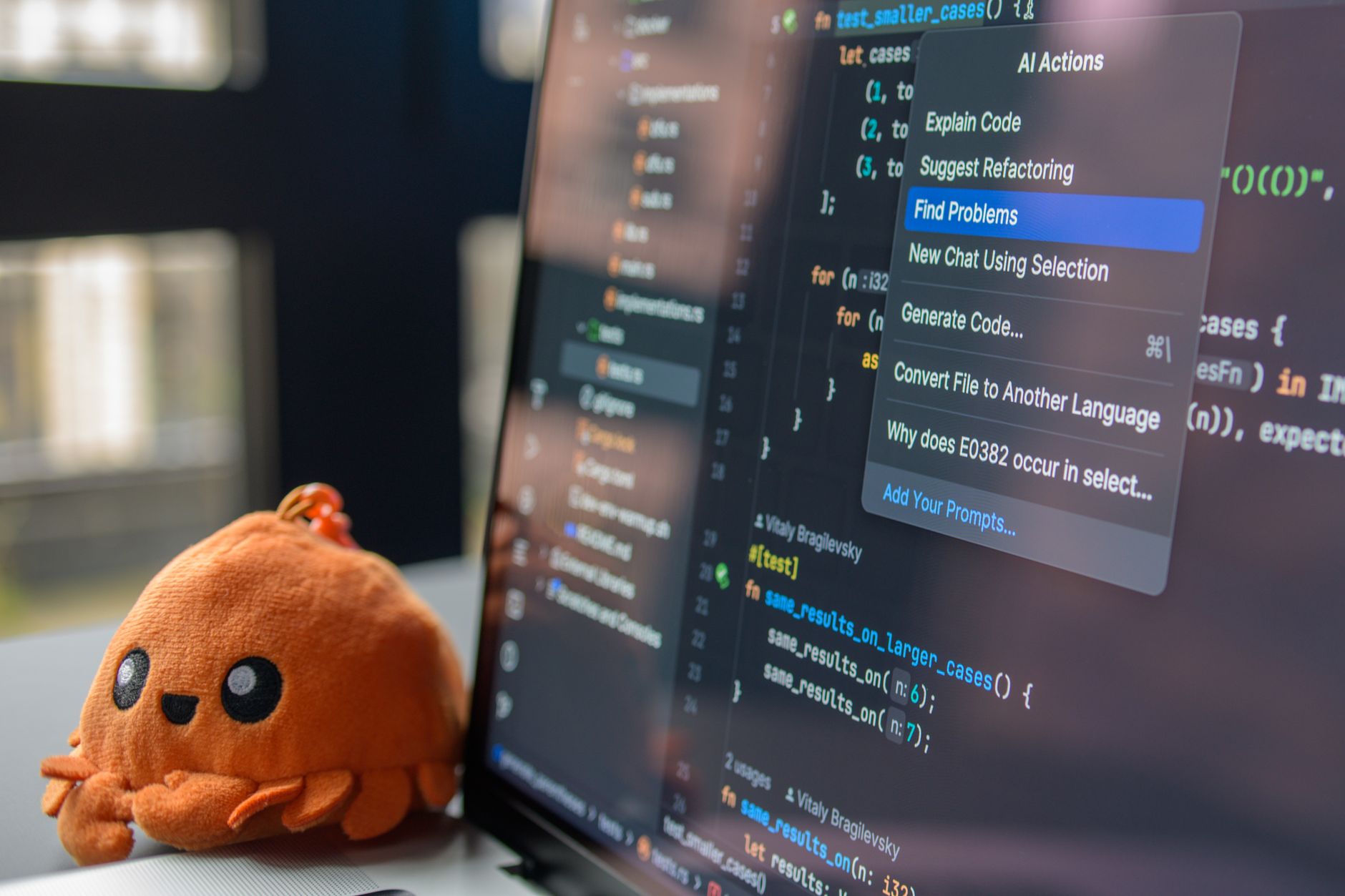
Korean-language AI samples are becoming a reality as Nvidia and KAIST collaborate to release 1 million samples. This initiative aims to enhance AI capabilities in the Korean language.
Overview of Nvidia and KAIST collaboration
The collaboration between Nvidia and KAIST marks a significant advancement in the field of artificial intelligence, particularly for Korean-language AI samples. This partnership aims to enhance the development and accessibility of AI models that can understand and generate Korean language, catering to the needs of tech enthusiasts and researchers alike.
As part of their initiative, Nvidia and KAIST plan to release a staggering 1 million Korean-language AI samples, which will serve as a valuable resource for training AI systems. The comprehensive dataset will include a variety of linguistic structures, contexts, and nuances specific to the Korean language, allowing developers to create more sophisticated and culturally aware AI applications.
This effort not only demonstrates the commitment of both organizations to push the boundaries of AI technology but also emphasizes the importance of localizing AI for different languages and cultures. By providing such extensive Korean-language AI samples, they hope to foster innovation and creativity in the tech community, ultimately leading to improved user experiences and more effective communication tools.
In summary, the Nvidia and KAIST collaboration represents a pivotal moment for the integration of Korean language capabilities in AI systems.
Impact of AI on language learning
The impact of AI on language learning has been significant, particularly with the introduction of innovative resources like the Korean-language AI samples developed through the collaboration between Nvidia and KAIST. These samples have the potential to transform how learners engage with the Korean language.
One of the primary benefits is the ability to provide personalized learning experiences. By utilizing AI technologies, learners can receive tailored feedback and guidance based on their individual progress. This adaptability makes it easier for students to grasp complex grammar and vocabulary.
Moreover, the availability of Korean-language AI samples allows learners to practice conversational skills in a more interactive environment. The AI can simulate real-life dialogues, helping users to become more comfortable with speaking and comprehension.
In addition, learners can access a wealth of resources at their fingertips. The extensive dataset provided by the AI samples helps in building a strong foundational understanding of the language. As a result, tech enthusiasts looking to enhance their language skills will find these tools invaluable in their educational journey.
The integration of AI into language learning not only promotes efficiency but also fosters a deeper connection with the culture associated with the language.
Benefits of Korean-language AI samples
The collaboration between Nvidia and KAIST to release 1 million Korean-language AI samples brings a plethora of benefits for tech enthusiasts and language learners alike. These samples are designed to enhance both the development of AI technologies and the learning experience for users interested in the Korean language.
One significant advantage is the ability to access a rich dataset that can improve machine learning models. This facilitates better natural language processing, allowing developers to create applications that understand and generate Korean more effectively. Such advancements can lead to:
- Improved language translation: Enhanced AI models can provide more accurate translations, bridging communication gaps.
- Personalized learning experiences: Language learning apps can tailor content to individual users’ needs based on data derived from these AI samples.
- Increased accessibility: More resources for non-native speakers to learn Korean through interactive and engaging platforms.
Moreover, these Korean-language AI samples can foster innovation in various sectors, including education, entertainment, and customer service, demonstrating the multifaceted benefits of advancing technology in language learning.
Future of AI in tech development
The future of AI in tech development appears promising, particularly with the ongoing advancements in Korean-language AI samples. As companies like Nvidia and academic institutions such as KAIST continue to innovate, the potential applications of these AI resources are expanding rapidly.
One key area of growth is in natural language processing, where Korean-language AI samples can significantly enhance communication tools. These samples can improve translation services, making them more accurate and context-aware, which is crucial for both personal and professional interactions.
Moreover, the integration of Korean-language AI into various technology platforms can facilitate better accessibility for non-native speakers. This is particularly beneficial for tech enthusiasts who are eager to learn and engage with the language.
Additionally, as AI technology evolves, the role of Korean-language AI samples in enabling personalized learning experiences will likely increase. Developers can leverage these samples to create tailored applications that meet the specific needs of users, thus driving further innovation.
In conclusion, the future of AI in tech development hinges on the effective utilization of Korean-language AI samples, paving the way for enhanced communication and learning opportunities.
Photo by Daniil Komov on Pexels
Read the original
Related stories
OnePlus ColorOS 17 Update: Clear Schedule for November 2026 · iPhone 18 Launch Details: What’s the Best Price and Design? · Retatrutide Peptide: Quality, Purity, and Storage Guide for Labs
About the Author