
How Long Does It Take to Learn Spanish? AI Learning Insights

Spanish is one of the most widely spoken languages globally, with over 480 million native speakers and millions more learning it as a second language. Its popularity stems from travel, business, cultural exploration, and career opportunities. how long does it take to learn spanish suggest that approximately 7% of adults worldwide are actively learning Spanish, making it the second most studied language after English.
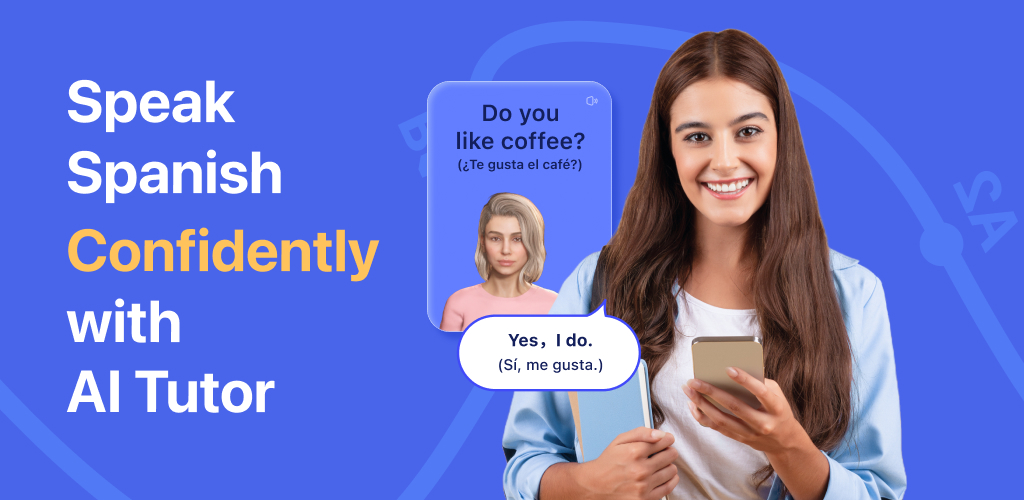
AI-based learning tools are transforming how people acquire Spanish, offering adaptive lessons, personalized practice, and real-time feedback. Statistics indicate that learners using AI platforms can reach proficiency 20–40% faster than those relying on traditional methods.
How Long Does It Typically Take to Learn Spanish?
The timeframe for learning Spanish varies depending on study intensity, prior language experience, and learning methods. According to the Foreign Service Institute (FSI), Spanish is classified as a Category I language for English speakers, which is considered relatively easy to learn. FSI research estimates that 600–750 hours of study are required to reach professional working proficiency.
For casual learners practicing 30 minutes daily, conversational fluency may take 12–18 months, whereas dedicated learners practicing 1–2 hours daily could achieve similar results in 6–9 months. AI learning platforms can reduce this timeframe by tailoring lessons to the learner’s pace and focusing on areas that require additional practice.
How Does AI Accelerate Spanish Learning?
AI-powered tools enhance learning efficiency through adaptive algorithms, personalized lesson plans, and interactive exercises. Real-time pronunciation correction, grammar feedback, and vocabulary suggestions help learners focus on their weak points.
Studies show that learners using AI retain 20–40% more vocabulary within one month compared to traditional classroom learners. Spaced repetition and data-driven reminders optimize memory retention, ensuring that words and grammar rules remain accessible for long-term use.
Which Skills Take the Longest to Master?
Speaking and listening comprehension are typically the most time-consuming skills to develop. Conversational fluency requires rapid comprehension and accurate pronunciation. Research shows that learners may need 3–6 months longer to confidently communicate than they do to read and write in Spanish.
Writing and reading skills often develop faster due to structured exercises and repetitive exposure. AI platforms provide interactive dialogues, voice-based exercises, and contextual simulations, helping learners improve listening and speaking proficiency more quickly.
How Does Consistency Affect Learning Speed?
Consistency is crucial for faster language acquisition. Studies indicate that daily practice, even in short sessions of 15–30 minutes, produces better results than sporadic, longer study sessions. AI tools support consistent learning by tracking progress, sending reminders, and gamifying lessons to maintain motivation.
For instance, a learner practicing 30 minutes daily with AI guidance may acquire 200 new words per month, compared to 120–150 words using traditional methods. Consistency paired with AI reinforcement accelerates vocabulary acquisition and overall fluency.
Can Combining AI With Traditional Learning Methods Help?
Yes, combining AI platforms with traditional approaches such as tutoring, group classes, or immersion experiences yields the best outcomes. Data shows that learners combining AI and human-led methods achieve fluency up to 50% faster than those using either approach alone. AI strengthens grammar, vocabulary, and listening skills, while real-world interactions develop confidence and cultural context.
Conclusion: How Quickly Can You Learn Spanish With AI?
Learning Spanish depends on practice frequency, prior knowledge, and study methods. With AI-based tools, learners can accelerate traditional timelines, achieving conversational fluency in 6–12 months with consistent practice. AI enhances retention, offers personalized guidance, and provides interactive learning experiences, making the journey to fluency more efficient and engaging.
By integrating AI technology with daily practice and real-life exposure, learners can achieve faster results, improve pronunciation, and retain more vocabulary, making Spanish language acquisition both effective and enjoyable.
About the Author