

Chinese AI models are at the forefront of technological innovation. This article explores the perspectives of researchers and investors on the future of AI in China.
The Current Landscape of Chinese AI Models
The current landscape of Chinese AI models reflects a rapidly evolving environment characterized by significant advancements in technology and investment. With government backing and increasing interest from private sectors, researchers are pushing the boundaries of artificial intelligence in various fields.
Chinese AI models are being developed across multiple domains, including:
- Natural Language Processing: Innovations in understanding and generating human language have seen substantial improvements.
- Computer Vision: AI systems are becoming adept at interpreting visual information, enabling applications in security and autonomous driving.
- Healthcare: AI models are being used for diagnostics and personalized medicine, showcasing their potential to transform patient care.
Investors are also increasingly recognizing the value of these models, with funding flowing into startups and established companies alike. This influx of capital supports research initiatives and encourages collaboration between universities and tech firms. Additionally, the competitive landscape is intensifying, leading to a race for innovation that promises to yield cutting-edge solutions.
As the global demand for AI technologies grows, the capabilities of Chinese AI models are set to play a crucial role in shaping the future of the industry.
Investors’ Perspectives on AI Development
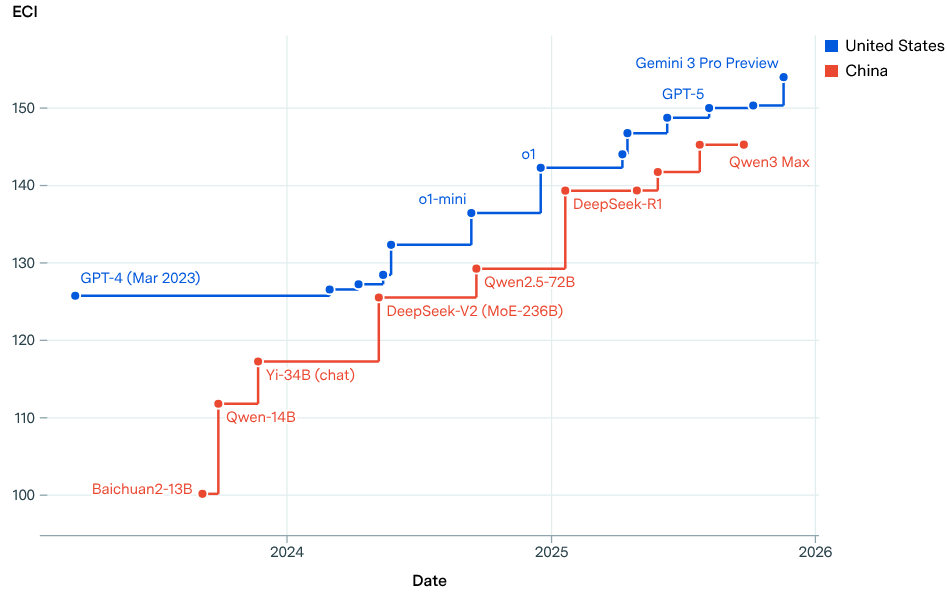
Investors are increasingly optimistic about the potential of Chinese AI models, viewing them as pivotal to the future of technology and innovation. Many believe that these models are not only capable of rivaling Western counterparts but may also surpass them in specific applications.
According to recent surveys, a significant number of investors are looking to allocate more funds to Chinese AI ventures over the next few years. They cite several factors driving this interest:
- Rapid Technological Advancements: Chinese researchers are making remarkable strides in AI development, particularly in natural language processing and computer vision.
- Government Support: The Chinese government has committed substantial resources to foster AI research and development, creating an ecosystem conducive to innovation.
- Market Demand: There is a growing demand for AI solutions across various industries, from healthcare to finance, which presents lucrative opportunities for investors.
- Global Positioning: Chinese AI models are becoming increasingly competitive on the global stage, attracting attention from both domestic and international markets.
As investors continue to monitor the evolving landscape, their confidence in Chinese AI models may redefine the future of the industry.
Challenges Facing Chinese AI Researchers
As the landscape of artificial intelligence continues to evolve, Chinese AI models face several significant challenges that researchers must navigate to ensure continued progress. These challenges range from technical hurdles to ethical considerations.
- Data Privacy Concerns: The collection and use of vast amounts of data raise questions about user privacy and consent. Researchers must find ways to balance innovation with ethical data practices.
- Talent Shortages: Despite advancements, there is a growing competition for skilled professionals in the AI sector. Retaining top talent is essential for the success of Chinese AI models.
- Regulatory Frameworks: Navigating the complex landscape of regulations can hinder development. Researchers need to adapt quickly to comply with local and international laws.
- Technical Limitations: While Chinese AI models have made significant strides, there are still gaps in performance when compared to global leaders. Bridging this gap requires ongoing research and investment.
- Global Perception: The geopolitical climate can affect collaboration opportunities and the perception of Chinese AI models in the international market.
Addressing these challenges is crucial for the future success and global acceptance of Chinese AI models.
Future Trends in AI Technology
As the landscape of technology rapidly evolves, Chinese AI models are poised to play a pivotal role in shaping future trends in artificial intelligence. Industry experts predict several key developments that will redefine the capabilities and applications of AI.
- Increased Integration: AI technology will become more integrated into various sectors, from healthcare to finance, enhancing efficiency and decision-making processes.
- Ethical AI Development: Researchers are focusing on creating ethical frameworks to address bias and transparency, ensuring that AI systems serve diverse populations fairly.
- Enhanced Natural Language Processing: Future models will exhibit improved understanding and generation of human language, making interactions with technology more intuitive.
- Collaboration between Academia and Industry: Partnerships between universities and tech companies will facilitate the rapid advancement of AI research and application, fostering innovation.
- Focus on Sustainability: There will be a growing emphasis on sustainable AI practices, reducing the environmental impact associated with AI training and deployment.
These trends indicate that Chinese AI models are not only advancing but are also becoming integral to global technological progress, reflecting the nation’s commitment to leading in the AI domain.
How China is Shaping Global AI Standards
China is rapidly emerging as a leading force in the development of artificial intelligence, significantly shaping global AI standards. With the government’s strong backing, Chinese AI models are poised to define new benchmarks in technology and innovation.
The country invests heavily in research and development, with a notable focus on integrating AI into various sectors, including healthcare, finance, and transportation. This commitment has led to remarkable advancements in machine learning, natural language processing, and computer vision.
Moreover, collaboration between academia and industry is fostering an environment where cutting-edge ideas can thrive. Universities in China are increasingly partnering with tech giants to push the boundaries of what is possible with AI. These synergies are not only elevating the quality of Chinese AI models but also setting precedents that other countries may follow.
As international discussions on AI ethics and standards become more prevalent, China’s approach will likely influence global norms. The nation’s unique blend of regulatory support and entrepreneurial spirit positions it as a key player in the future of AI, making its models pivotal in establishing worldwide standards.
In summary, as China continues to innovate and dominate the AI landscape, its impact on global standards is undeniable.
By Luke Emberson via Openverse
Where this came from
Senior Visa Processing Officer Vacancies: Easy Application Tips · Motorola Edge 70 Neo specs: Is It the Best Phone Yet? · Pakistan human space mission: A Proven Milestone for the Nation
About the Author