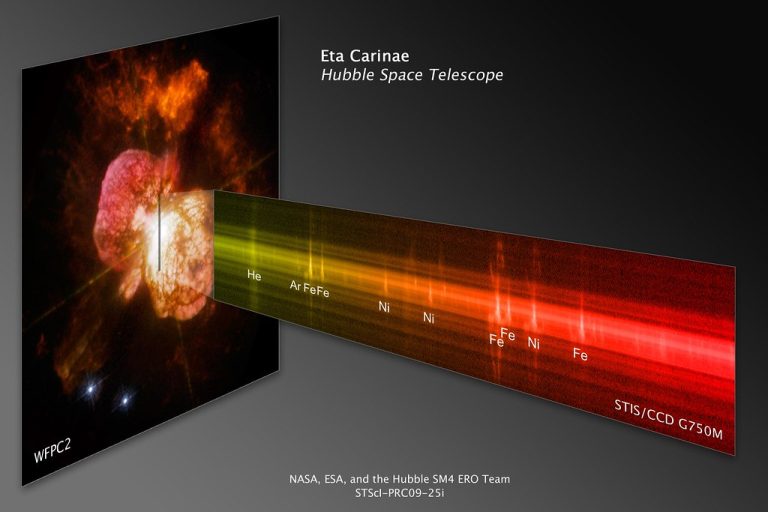

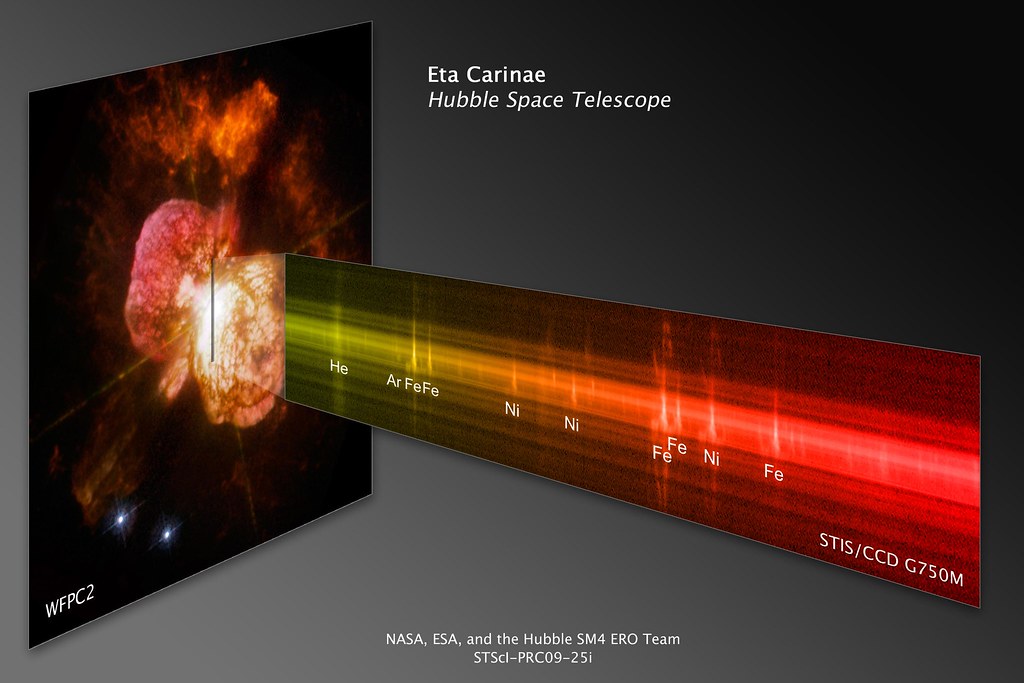
star eruption elements have shown scientists how key materials can spread through space. This remarkable discovery sheds light on the processes that govern our universe.
Understanding Star Eruptions
Star eruptions are powerful cosmic events that can significantly impact the surrounding space environment. During these eruptions, massive amounts of energy and material are ejected into space, carrying essential elements that contribute to the formation of new stars, planets, and even life.
These events can be classified into various types, including:
- Supernovae: Cataclysmic explosions marking the end of a massive star’s life.
- Solar Flares: Intense bursts of radiation from the sun’s surface.
- Coronal Mass Ejections: Huge bursts of solar wind and magnetic fields rising above the solar corona.
Understanding star eruption elements is crucial for grasping how they influence the chemical makeup of the universe, as these elements travel vast distances, enriching interstellar space.
The Role of Key Elements
The study of star eruptions reveals the significant role that key elements play in the cosmos. When a star undergoes a massive eruption, it not only releases energy but also disperses various elements into space.
These elements, such as carbon, nitrogen, and oxygen, are crucial for the formation of new stars and planets. They contribute to the chemical makeup of the universe and are essential for life as we know it.
Recent observations of a star’s record eruption have highlighted how these star eruption elements can travel vast distances, enriching the interstellar medium. The dispersal process helps form molecular clouds, which subsequently give rise to new stellar systems.
- Carbon: Vital for organic compounds.
- Nitrogen: An essential building block for life.
- Oxygen: Supports the formation of water.
How Elements Spread in Space
When a star experiences an eruption, it releases a vast array of elements into space. These star eruption elements play a crucial role in enriching the interstellar medium, providing essential building blocks for new stars and planets. The dynamics of these explosive events allow for the dispersion of materials across great distances.
Several mechanisms contribute to the spreading of these elements:
- Shock Waves: The energy from the eruption generates shock waves that propel elements outward.
- Solar Winds: High-speed particles released during eruptions can carry elements far beyond their origin.
- Gravitational Interactions: Nearby celestial bodies can influence the trajectory of ejected materials, facilitating their spread.
Ultimately, these processes illustrate the interconnectedness of cosmic events and the vital role of star eruption elements in the universe’s evolution.
Recent Findings in Astronomy
Recent research has unveiled significant insights into the dynamics of star eruption elements and their dispersal throughout the cosmos. Astronomers studying a star that experienced a record eruption have observed how these explosive events contribute to the interstellar medium. This discovery highlights the vital role that massive stars play in enriching their surroundings with essential elements.
Key findings from the study include:
- The identification of specific chemical signatures linked to the eruption.
- Evidence that these star eruption elements are crucial for the formation of new stars and planets.
- Insights into the mechanisms through which these elements travel vast distances in space.
As researchers continue to explore these phenomena, the implications for our understanding of cosmic evolution are profound.
Implications for Cosmic Research
The study of star eruption elements has significant implications for cosmic research, providing insights into the fundamental processes that govern our universe. As astronomers analyze the aftermath of massive stellar eruptions, they are uncovering how these explosive events contribute to the chemical enrichment of the cosmos.
Key findings suggest that the elements released during such eruptions play a critical role in the formation of new stars and planetary systems. This understanding reshapes our knowledge of stellar life cycles and element distribution.
Moreover, the data obtained from these eruptions can help scientists trace the origins of various elements found in our own solar system. Researchers now have a clearer view of how star eruption elements influence the evolution of galaxies and the overall structure of the universe.
Continued exploration in this area promises to deepen our grasp of cosmic phenomena.
By NASA Goddard Photo and Video via Openverse
Sources
Related reading
- SpaceX launch record: Proven success with Dragon and Starship
- GrapheneOS RCS messaging app: The Best Alternative to Google
- Pakistani astronaut: The Best Chance to Make History in Space
About the Author