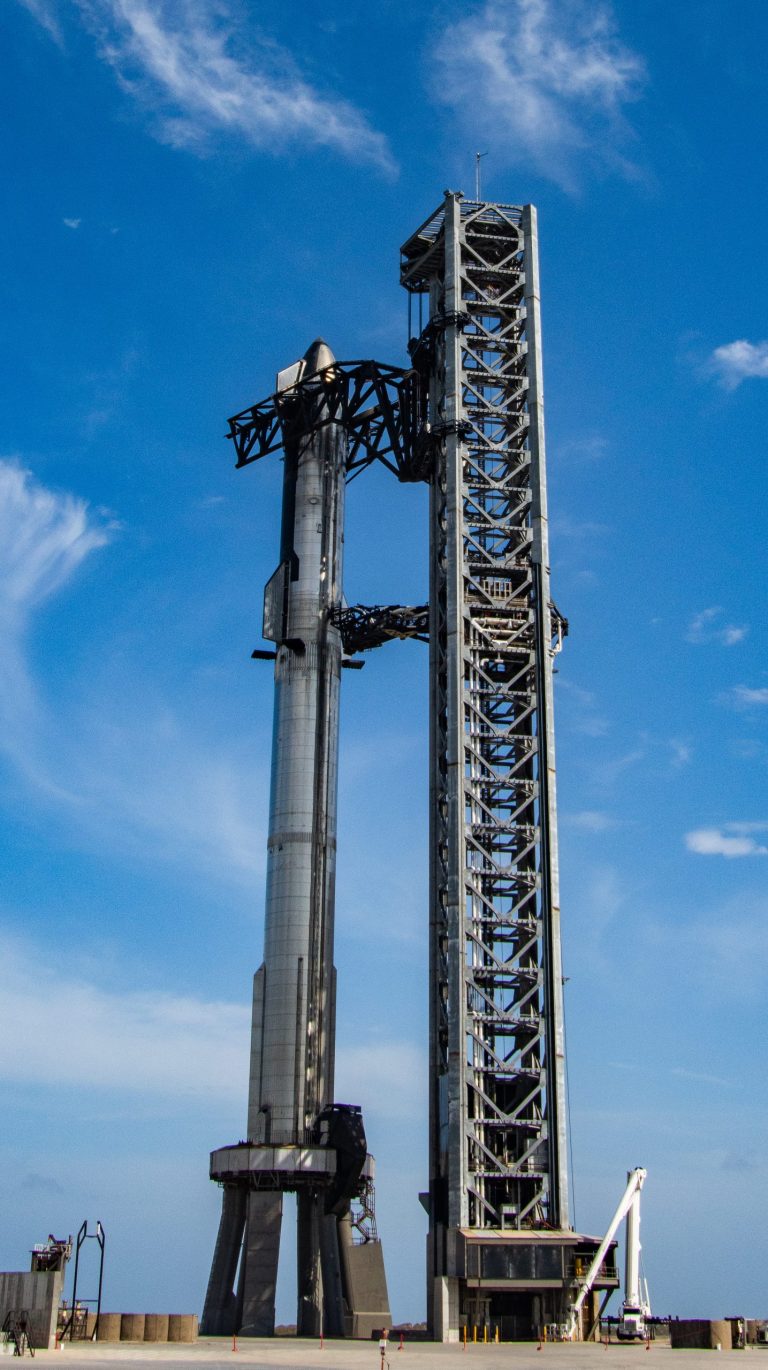

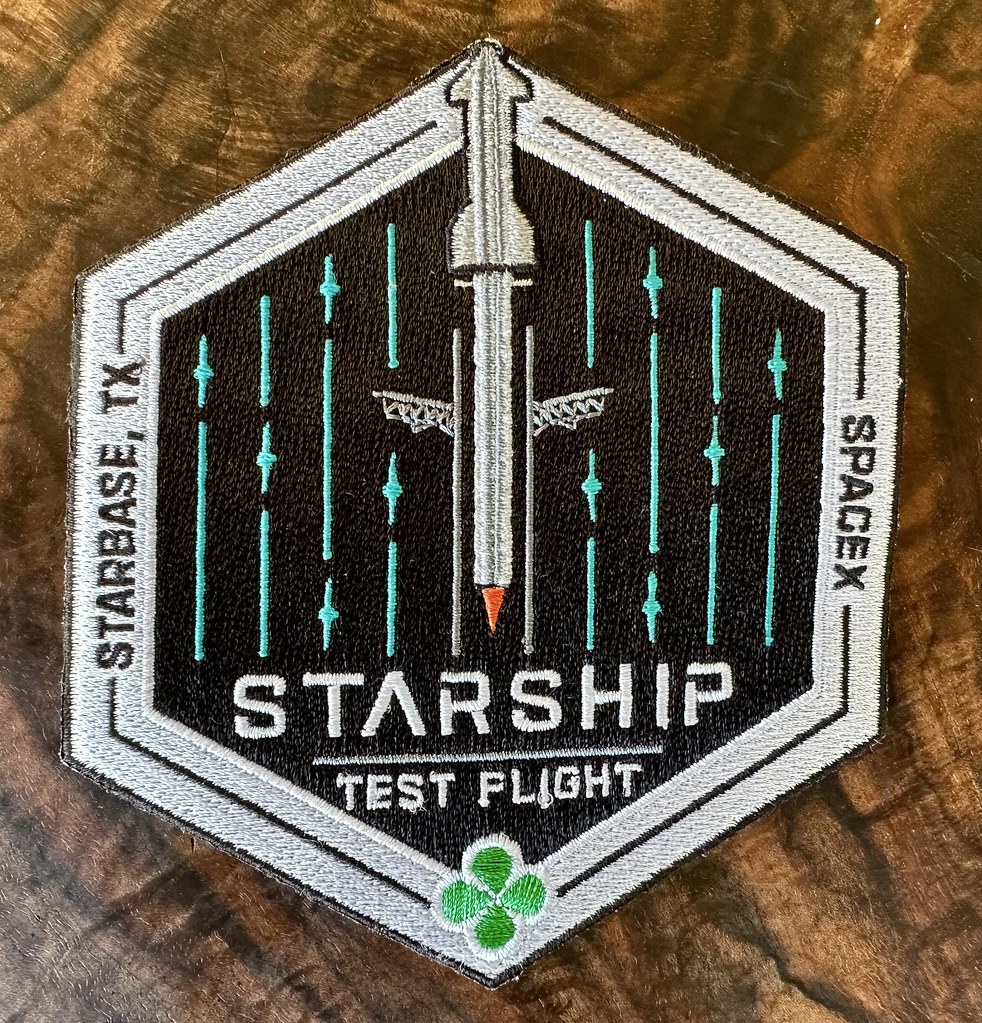
Starship test flight is gearing up for its 14th attempt, as SpaceX aims to achieve a groundbreaking orbital mission. This latest endeavor is a significant milestone in the company’s ambitious space exploration plans.
Overview of SpaceX’s Starship Program
SpaceX’s Starship program represents a significant leap in aerospace technology, aimed at enabling crewed missions to the Moon, Mars, and beyond. With the upcoming Starship test flight, the company is poised to undertake its 14th attempt, showcasing its commitment to innovation and exploration.
The program has undergone numerous iterations, refining its design and capabilities based on previous test results. Key objectives for the upcoming flight include:
- Achieving stable flight and ascent through Earth’s atmosphere.
- Conducting in-flight maneuvers to test the vehicle’s control systems.
- Successfully completing a safe landing after orbital insertion.
As SpaceX prepares for this pivotal moment in aerospace history, the success of the Starship test flight could pave the way for future interplanetary travel and commercial space exploration.
What to Expect in the Upcoming Test Flight
The upcoming Starship test flight is highly anticipated, as it marks SpaceX’s 14th attempt to reach orbital status. Engineers are meticulously preparing for this mission, aiming to overcome previous challenges and achieve a successful launch.
During the test flight, spectators can expect:
- Innovative Technology: The latest advancements in rocket design and propulsion systems will be on display.
- Critical Test Objectives: Key performance metrics will be evaluated, including ascent, stage separation, and re-entry capabilities.
- Live Coverage: SpaceX plans to provide real-time updates, allowing fans and experts alike to follow the progress closely.
The Starship test flight is not just a mission for SpaceX; it represents a significant step toward future space exploration and potential missions to Mars.
Challenges Faced in Previous Starship Flights
The journey of SpaceX’s Starship program has not been without its obstacles. Previous Starship test flights encountered several challenges that have shaped the current approach to upcoming missions.
Some of the most notable issues faced include:
- Technical Malfunctions: Multiple flights suffered from unexpected mechanical failures, leading to early terminations.
- Environmental Factors: Weather conditions have played a significant role, with winds and storms causing delays or cancellations.
- Regulatory Hurdles: Navigating through governmental regulations and obtaining necessary permits has proven to be a lengthy process.
- Launch Pad Issues: Problems with the launch infrastructure have affected the timing and success of several test attempts.
As SpaceX prepares for the upcoming Starship test flight, lessons learned from these challenges are crucial for achieving a successful orbital mission.
The Future of Space Exploration with Starship
The future of space exploration is poised for a significant transformation with the advancements made in the Starship program. As SpaceX prepares for its 14th Starship test flight, the implications of this mission extend beyond mere technological achievements.
Starship has the potential to revolutionize interplanetary travel, enabling missions to Mars and beyond. With its fully reusable design and impressive payload capacity, it represents a leap forward in sustainable space travel.
Moreover, the successful execution of the upcoming Starship test flight could pave the way for increased collaboration between private companies and governmental space agencies, fostering innovation and reducing costs.
Key benefits of Starship include:
- Cost Efficiency: Reduced launch expenses through reusability.
- Increased Capacity: Ability to carry larger payloads and more passengers.
- Interplanetary Missions: Enhancements for future exploration of other celestial bodies.
As we approach this historic moment, the world watches with anticipation and hope.
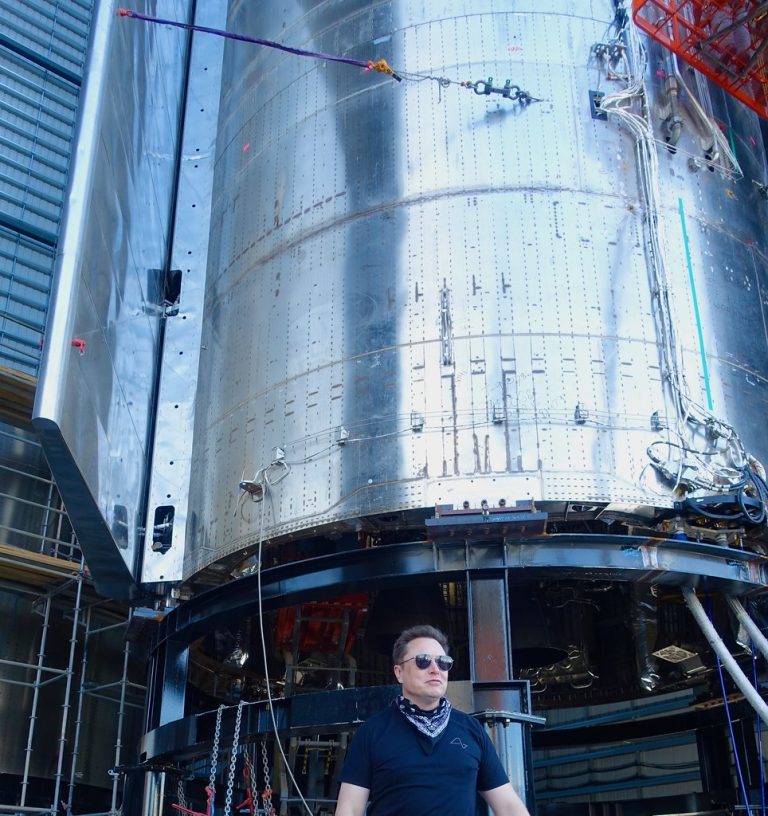
By jurvetson via Openverse
References
- HMD Vibe 2 Pro: The Best Launch Date Revealed!
- Motorola Signature 27 Advantage: Is It the Best Choice?
- AI Kids Smartwatch: The Best Features and Specs You Need
About the Author