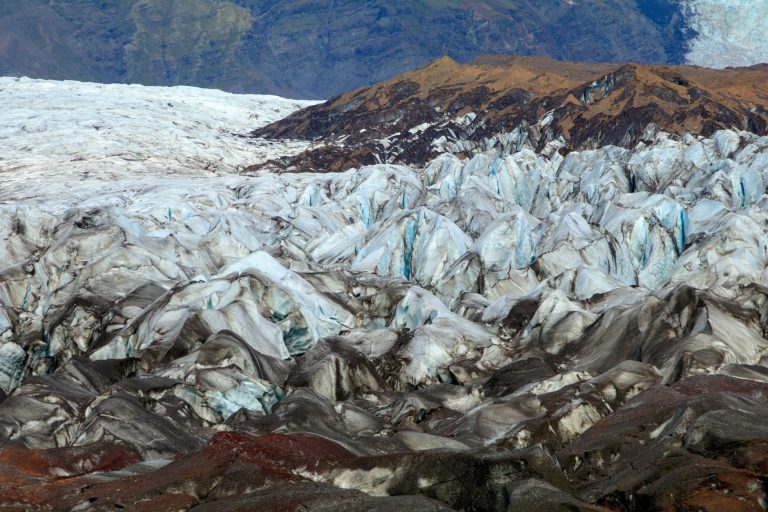

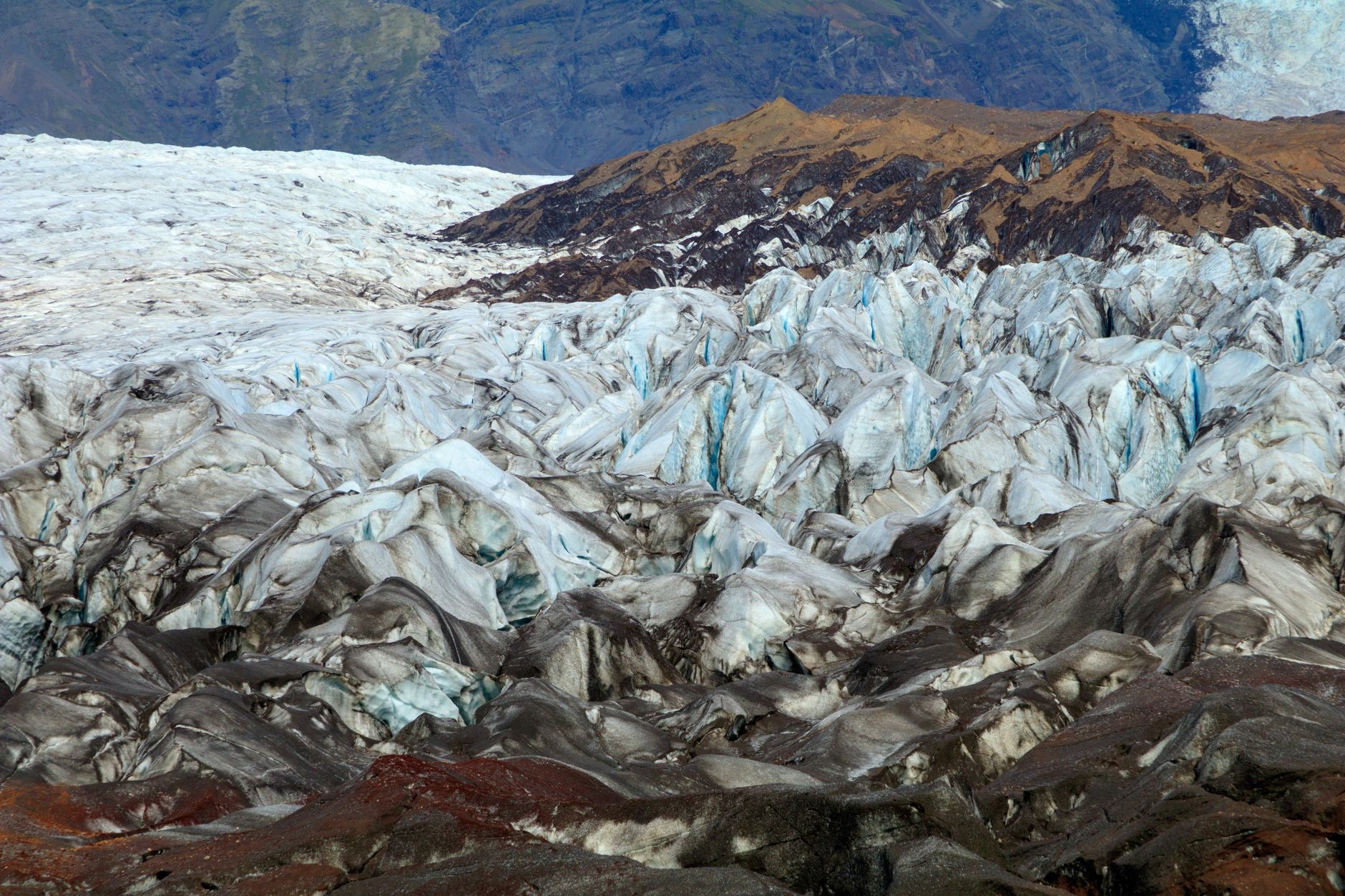
Earth’s ice sheets have experienced a staggering loss of 12 trillion tons of ice over the past 47 years, according to new satellite data. This significant decline highlights the urgent need for climate action and awareness.
Introduction to Ice Loss
Recent satellite measurements have revealed a staggering loss of ice from Earth’s ice sheets, totaling 12 trillion tons over the past 47 years. This alarming statistic underscores the ongoing impact of climate change on polar regions, where the vast ice reserves are rapidly diminishing. The consequences of such significant ice loss are profound, affecting global sea levels and ecosystems.
The data indicates that the melting of these ice sheets is accelerating, with the Greenland and Antarctic regions experiencing the most significant changes. Several factors contribute to this dramatic loss, including:
- Rising global temperatures: Increased heat leads to more melting and calving of ice.
- Ocean warming: Warmer ocean waters are eroding the ice sheets from below.
- Atmospheric changes: Altered weather patterns are contributing to ice sheet instability.
Scientists warn that if current trends continue, we could see even more drastic changes in the near future. The implications of losing Earth’s ice sheets extend beyond rising sea levels; they also threaten biodiversity and disrupt weather patterns around the globe.
Understanding the dynamics of ice loss is critical for developing effective strategies to combat climate change and mitigate its effects on our planet. It is essential for policymakers, researchers, and the public to remain informed about the state of our ice sheets and their vital role in maintaining Earth’s climate balance.
The Role of Satellites in Monitoring Ice
Satellites play a pivotal role in monitoring the significant changes occurring in Earth’s ice sheets. Over the past few decades, advancements in satellite technology have enabled scientists to gather precise data on ice loss and mass changes across polar regions.
These orbiting instruments provide critical insights into the dynamics of ice sheets, allowing researchers to observe:
- Surface melting: Satellites can track the extent of melting ice on the surface, which significantly contributes to overall ice loss.
- Ice flow dynamics: Monitoring the movement of glaciers helps scientists understand how quickly ice sheets are disintegrating.
- Elevation changes: By measuring changes in the elevation of ice sheets, satellites reveal how much ice is being lost or gained over time.
Recent findings indicate that Earth’s ice sheets have lost approximately 12 trillion tons of ice in just 47 years. This staggering loss underscores the importance of satellite data in climate research and environmental monitoring. As climate change accelerates, the role of these high-tech tools becomes even more crucial in predicting future trends and understanding the implications of ice loss on global sea levels.
Through continuous observation and analysis, satellites provide a clearer picture of the state of Earth’s ice sheets, informing policymakers and the public about the urgent need for action against climate change.
Impact of Ice Loss on Sea Levels
The significant loss of Earth’s ice sheets has profound implications for global sea levels. As these massive bodies of ice continue to melt, they contribute to rising ocean levels, threatening coastal communities and ecosystems worldwide.
Recent studies indicate that the loss of 12 trillion tons of ice over the past 47 years has accelerated the rate of sea level rise. This ice loss leads to several critical impacts:
- Increased Flooding: Coastal areas are experiencing more frequent and severe flooding events due to rising sea levels, endangering infrastructure and habitats.
- Loss of Habitat: Many coastal ecosystems, such as mangroves and salt marshes, are at risk as sea levels rise, affecting biodiversity and local fisheries.
- Displacement of Populations: Communities in low-lying regions are facing displacement as their homes become uninhabitable, leading to social and economic challenges.
- Saltwater Intrusion: Rising sea levels can lead to saltwater intrusion into freshwater supplies, compromising drinking water and agricultural irrigation.
The situation underscores the urgent need for global action to mitigate climate change and protect vulnerable regions. Understanding the impact of ice loss on Earth’s ice sheets is crucial for developing effective strategies to address these challenges.
Climate Change and Ice Sheets
Climate change is accelerating the melting of Earth’s ice sheets, leading to alarming consequences for global sea levels. Over the past few decades, scientists have observed significant reductions in ice mass from major ice sheets, with recent studies indicating a staggering loss of 12 trillion tons in just 47 years. This dramatic decline is primarily attributed to rising global temperatures, which have increased the rate of ice melt and glacial retreat.
The impacts of this ice loss are profound. As ice sheets shrink, they contribute directly to rising sea levels, posing risks to coastal communities worldwide. The influx of freshwater into the oceans can disrupt marine ecosystems and alter ocean circulation patterns, which may have far-reaching effects on climate systems globally.
In addition to the immediate threats posed by rising sea levels, the loss of ice also affects the Earth’s albedo, or its ability to reflect sunlight. With less ice cover, darker ocean waters absorb more heat, further exacerbating global warming. This creates a feedback loop that accelerates the melting process of the remaining ice sheets.
Efforts to mitigate climate change are critical to slowing the loss of Earth’s ice sheets. Reducing greenhouse gas emissions and implementing sustainable practices can help stabilize temperatures and, in turn, the health of our planet’s ice reservoirs.
Future Projections for Earth’s Ice
As scientists analyze the staggering loss of 12 trillion tons of ice from Earth’s ice sheets over the past 47 years, future projections indicate a troubling trend. The ongoing effects of climate change are likely to exacerbate this situation, leading to accelerated melting in the coming decades.
Key projections suggest:
- Rising Sea Levels: Continued ice loss could lead to global sea levels rising by as much as two feet by the end of the century, displacing millions and threatening coastal cities.
- Feedback Loops: As ice sheets diminish, less sunlight is reflected back into space, leading to increased ocean temperatures and further accelerating the melting process.
- Geopolitical Implications: The loss of ice sheets may spark conflicts over resources, particularly in Arctic regions where new shipping routes and oil reserves become accessible.
Moreover, the melting of Earth’s ice sheets is not just a local issue; it has global ramifications. The interconnectedness of Earth’s climate means that changes in one region can lead to unpredictable weather patterns elsewhere.
With these projections in mind, urgent action is required to mitigate climate change and its effects on ice sheets. Scientists emphasize the importance of reducing greenhouse gas emissions and enhancing conservation efforts to protect our planet’s fragile ice reserves.
Global Responses to Ice Loss
As Earth’s ice sheets continue to shrink dramatically, global responses have become increasingly urgent. Governments and organizations around the world are recognizing the need for coordinated action to address the severe consequences of ice loss.
Several key strategies have emerged in response to the alarming data revealing that 12 trillion tons of ice have vanished in just 47 years. These include:
- International Agreements: Countries are coming together to establish policies aimed at reducing greenhouse gas emissions, which are a primary driver of climate change affecting ice sheets.
- Research Funding: Increased investment in scientific research is crucial for better understanding the dynamics of ice loss and its broader implications for global ecosystems.
- Public Awareness Campaigns: Educating the public about the importance of protecting ice sheets is vital. Awareness can lead to greater support for environmental policies and initiatives.
- Innovative Technologies: Deployment of new technologies, such as advanced monitoring systems, can enhance our ability to track changes in ice sheets in real-time, thus informing policy decisions.
Despite these efforts, the pace of ice loss poses significant challenges. Many experts emphasize that immediate and decisive action is necessary to mitigate the impacts of climate change on Earth’s ice sheets, thereby ensuring the preservation of essential ecosystems and coastal communities globally.
Scientific Studies on Ice Dynamics
Recent scientific studies have provided critical insights into the dynamics of Earth’s ice sheets, revealing alarming trends in ice loss. Researchers have utilized satellite data to track changes in ice mass across Greenland and Antarctica, leading to a staggering estimate of 12 trillion tons of ice lost over the past 47 years.
One significant study published in Nature analyzed the melting rates of these ice sheets and concluded that recent warming trends are accelerating ice loss. The findings indicate that both surface melting and ice discharge into the ocean contribute to the rapid decline of ice mass. This dual process poses a significant threat to global sea levels.
Furthermore, scientists emphasize the importance of understanding the physical mechanisms behind ice dynamics. Key factors affecting ice sheet stability include:
- Ocean temperatures, which influence melting from below.
- Atmospheric conditions that lead to surface meltwater pooling.
- Glacial flow dynamics, which can speed up ice movement towards the ocean.
As Earth’s ice sheets continue to thin, researchers call for enhanced monitoring techniques and improved climate models to better predict future changes. The information gathered from these studies is crucial for policymakers aiming to address the impacts of climate change and develop effective adaptation strategies.
Call to Action for Climate Awareness
The alarming loss of Earth’s ice sheets underscores the urgent need for global climate awareness and action. With 12 trillion tons of ice vanished over a mere 47 years, the implications are profound and far-reaching. It is essential for individuals, communities, and governments to recognize the gravity of the situation and take proactive steps to combat climate change.
Climate awareness can begin with small, everyday actions. Here are some steps everyone can take:
- Educate Yourself: Understanding the science behind climate change and its impact on Earth’s ice sheets can empower you to make informed choices.
- Reduce Carbon Footprint: Opt for sustainable transportation, conserve energy, and support renewable energy initiatives to lessen greenhouse gas emissions.
- Support Policy Changes: Advocate for policies that protect the environment, such as regulations on emissions and funding for climate research.
- Engage with Community: Join local groups focused on environmental issues, participate in clean-up drives, or promote recycling and conservation efforts.
- Spread the Word: Share information on the importance of preserving Earth’s ice sheets and climate action through social media and community events.
Taking these actions can contribute to a collective effort to mitigate the effects of climate change and protect our planet’s vital ice sheets for future generations.
Photo by Edoardo Colombo on Pexels
Where this came from
You might also like
- Evo smartphone launch: Best proven features at INR 8,999
- OpenAI GPT-6: The Best AI Model for Work Transformation
- RTX 5080 Pre-Built PCs: Are They Worth It?
About the Author