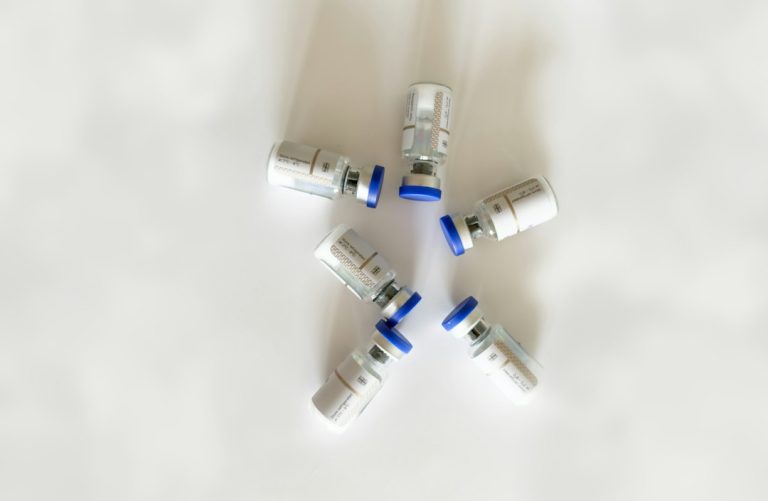

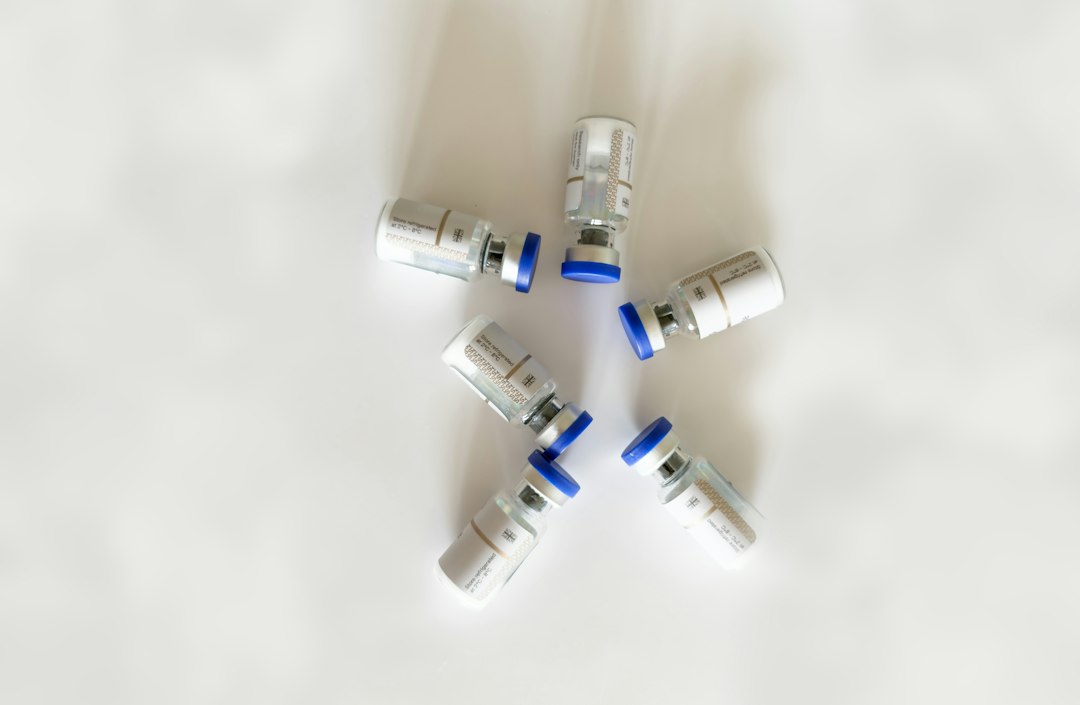
Laboratories sourcing research compounds face a recurring challenge: verifying that what arrives in the vial matches what the label promises. The retatrutide peptide market has expanded quickly, and with that growth comes a wider gap between suppliers who prioritize analytical rigor and those who skip it. This guide answers the questions researchers most often ask about quality verification, proper handling, and sourcing decisions, presented in a straightforward format for busy lab teams.
What should a lab check before accepting a peptide shipment?
Before any vial goes into storage, researchers should confirm three things: the certificate of analysis matches the batch number on the vial, the packaging shows no signs of temperature exposure during transit, and the documentation includes results from an independent testing facility rather than in-house claims alone. Skipping this step is one of the most common mistakes in research settings, and it can compromise an entire study before it begins.
How is purity verified for research peptides?
Purity verification typically relies on two analytical methods working together. High-performance liquid chromatography (HPLC) separates compounds to confirm the primary substance makes up the expected share of the sample. Mass spectrometry (MS) then confirms molecular identity, ruling out structurally similar but incorrect compounds. Reputable suppliers send every batch to third-party labs for this testing, rather than relying solely on internal quality checks. A proper certificate of analysis should show the testing lab’s name, the batch identifier, and the method used.
Why does third-party testing matter more than supplier claims?
Supplier claims are easy to make and difficult to verify without independent oversight. Third-party testing removes that conflict of interest. When a facility unaffiliated with the seller performs the analysis, researchers gain a more trustworthy picture of what they’re actually working with. This distinction matters especially for compounds used in comparative studies, where even small variances in composition can skew results across sample sets.
How should retatrutide be stored to preserve stability?
Peptides are sensitive to heat, light, and repeated freeze-thaw cycles. Unreconstituted, lyophilized peptide should be kept in a cool, dark environment, ideally refrigerated, until it’s ready for use. Once reconstituted with bacteriostatic water, the solution should be stored in a refrigerator and used within the timeframe recommended by the supplier’s documentation. Avoid leaving vials at room temperature for extended periods, and never expose reconstituted solutions to direct sunlight, as this accelerates degradation and compromises research accuracy.
What handling practices reduce contamination risk?
Sterile technique matters just as much for research peptides as it does for any lab reagent. Researchers should use fresh needles for each withdrawal, wipe vial stoppers with alcohol before puncturing, and avoid introducing air back into the vial in a way that disturbs sterility. Labeling each vial clearly with the reconstitution date also helps teams track stability windows and avoid using material past its reliable period.
What should labs look for when choosing a supplier?
Sourcing decisions should prioritize transparency over price alone. A dependable supplier publishes batch-specific certificates of analysis, works with recognized third-party labs, and maintains clear labeling practices across its catalog. Shipping practices also matter: same-day dispatch and proper packaging reduce the time a compound spends in transit, lowering the risk of temperature-related degradation before it ever reaches your bench. Labs should request documentation upfront rather than after a problem arises.
Does packaging quality affect research outcomes?
Packaging plays a bigger role than many researchers assume. Vials that arrive loose, poorly sealed, or without protective packaging are more likely to have been exposed to temperature swings or physical damage during shipping. Consistent, well-sealed packaging paired with clear batch labeling signals a supplier that treats quality control as a priority rather than an afterthought, which translates to more reliable results in downstream research.
What are the signs of a reliable retatrutide peptide source?
A reliable source typically shares several traits: documented purity above the industry-recognized threshold, accessible certificates of analysis for every batch, consistent packaging and labeling standards, and a track record of positive feedback from fellow researchers regarding product consistency. Labs that take the time to vet these factors upfront save themselves from compromised data and repeated reordering down the line.
Final Thoughts for Research Teams
Working with research peptides requires the same diligence labs apply to any other sensitive reagent. Verifying purity through independent testing, storing compounds correctly, and choosing suppliers who prioritize transparency all contribute to more consistent, trustworthy results. Teams that build these checks into their standard intake process reduce variability and protect the integrity of their work from the very first vial.
About the Author