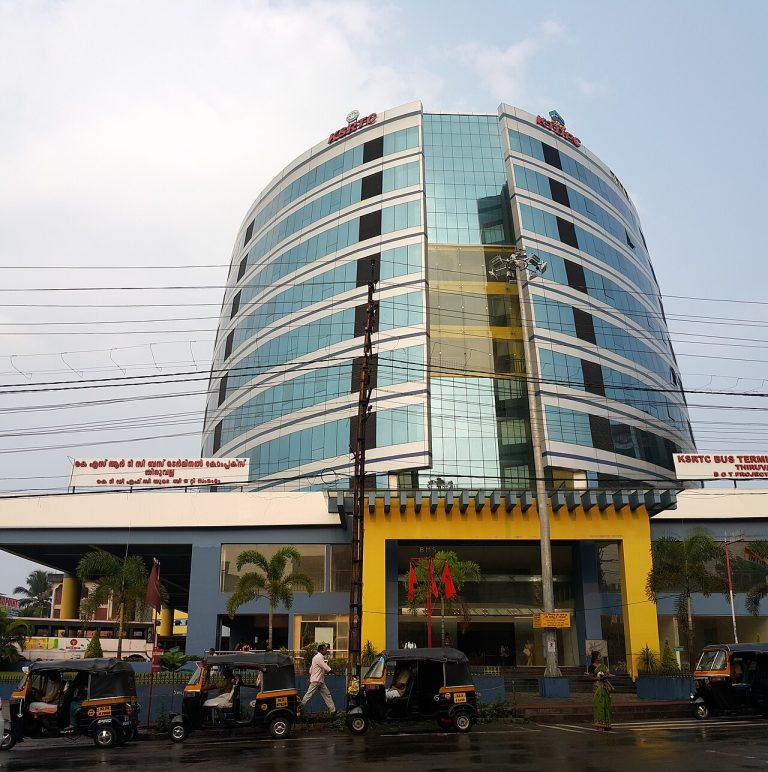

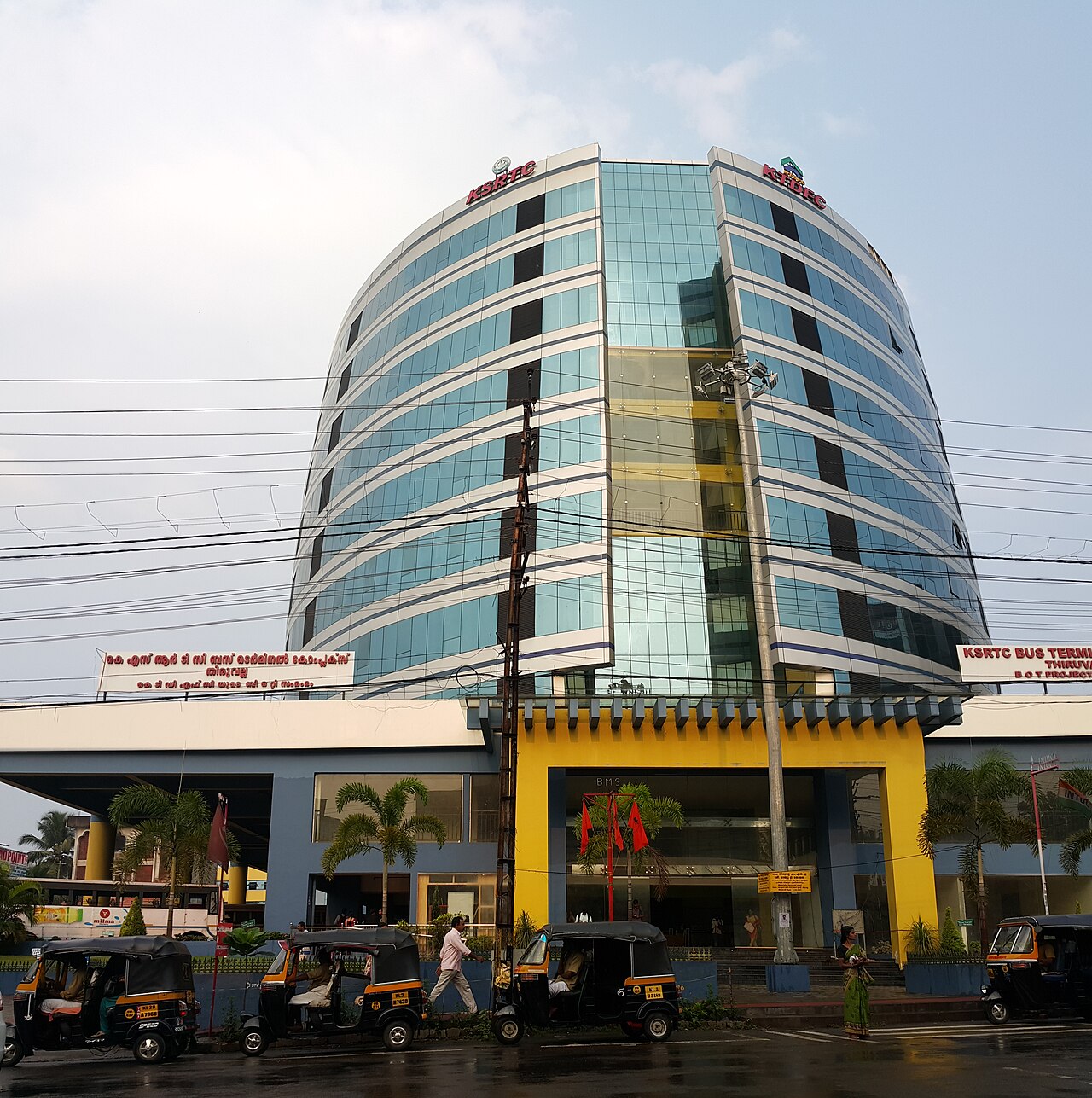
Smart bus shelters are being introduced by KSRTC in Edappal, promising a high-tech upgrade to public transportation. This initiative aims to enhance commuter experience with modern amenities and technology.
Introduction to Smart Bus Shelters
As urban areas continue to evolve, so too does the need for innovative solutions to enhance public transportation. One such advancement is the introduction of smart bus shelters, which are designed to provide commuters with an improved waiting experience. These high-tech structures offer a variety of features that go beyond traditional bus stops, making them an essential part of modern urban infrastructure.
Smart bus shelters are equipped with technology that delivers real-time information to passengers, including arrival times, route changes, and service alerts. This immediate access to information helps reduce uncertainty and improves the overall efficiency of public transport systems. In addition, many of these shelters come with charging stations for electronic devices, free Wi-Fi, and even climate control systems to ensure passenger comfort.
As cities like Edappal take the lead in implementing these cutting-edge facilities, the rollout of smart bus shelters promises to revolutionize the commuting experience. By investing in such high-tech solutions, municipalities can enhance public transport use while promoting sustainability and connectivity within their communities.
How Smart Bus Shelters Work
Smart bus shelters are equipped with cutting-edge technology designed to enhance the commuting experience. These shelters typically feature digital displays that provide real-time information about bus schedules, ensuring that passengers are always informed about arrival times.
Furthermore, many smart bus shelters integrate solar panels, allowing them to operate sustainably and reduce reliance on traditional power sources. This eco-friendly approach not only benefits the environment but also lowers operational costs.
Another innovative aspect is the inclusion of Wi-Fi connectivity, enabling commuters to stay connected while waiting for their bus. This feature is particularly appealing in urban areas where internet access may be limited.
Additionally, some smart bus shelters are equipped with security features, such as surveillance cameras and emergency buttons, enhancing passenger safety. These shelters are also designed with accessible features for individuals with disabilities, ensuring that everyone can benefit from the technology.
Overall, the implementation of smart bus shelters represents a significant step forward in public transportation, providing a more efficient and user-friendly experience for commuters.
Benefits of High-Tech Bus Shelters
Smart bus shelters offer a range of benefits that enhance the commuting experience for passengers. One of the primary advantages is real-time information. Commuters can access live updates on bus arrival times, reducing uncertainty and wait times significantly.
Additionally, these high-tech shelters are designed with weather protection features, providing a comfortable waiting environment during adverse weather conditions. The integration of solar panels in many smart bus shelters also promotes sustainability by powering digital displays and lighting, making them eco-friendly.
Another notable benefit is the inclusion of Wi-Fi connectivity. Commuters can stay connected while waiting, allowing them to use their devices for work or leisure. Furthermore, smart bus shelters often come equipped with security cameras and enhanced lighting, improving safety for passengers, particularly during nighttime.
Lastly, these shelters can serve as community hubs, displaying local information and events, thereby fostering a sense of community among commuters. Overall, smart bus shelters represent a significant advancement in public transport infrastructure, making them the best high-tech solution for commuters.
KSRTC’s Rollout Plan
The Kerala State Road Transport Corporation (KSRTC) is set to revolutionize public transportation with its rollout plan for smart bus shelters. Beginning in Edappal, KSRTC aims to implement these innovative structures across various regions, enhancing the commuting experience for thousands of passengers.
These smart bus shelters will feature:
- Real-time information displays: Passengers will have access to live updates on bus arrivals and departures, allowing them to plan their journeys more efficiently.
- Wi-Fi connectivity: Commuters can stay connected while waiting for their buses, making the wait more productive.
- Environmentally friendly design: Many of the shelters will incorporate solar panels, showcasing KSRTC’s commitment to sustainability.
- Safety features: Enhanced lighting and surveillance systems will ensure passenger safety during late-night travel.
With the introduction of these smart bus shelters, KSRTC is not only embracing technological advancements but also prioritizing passenger convenience and safety. This initiative is expected to set a benchmark for public transportation across the country, making commuting more comfortable and efficient.
Impact on Commuter Experience
The introduction of smart bus shelters is set to significantly enhance the commuter experience in urban areas. With the integration of advanced technology, these shelters offer features that cater directly to the needs of passengers.
One of the most notable impacts is the provision of real-time information. Commuters can access live updates about bus schedules and delays, reducing uncertainty and wait times. In addition, many smart bus shelters are equipped with interactive screens that provide information on nearby amenities, such as restaurants and shops, making the wait more enjoyable.
Another advantage is improved safety and security. Smart bus shelters often feature enhanced lighting and surveillance systems, creating a safer environment for passengers, especially during late hours. Moreover, some shelters include charging stations for mobile devices, allowing commuters to stay connected while they wait.
These innovative structures also promote a more sustainable approach to public transportation. By integrating solar panels, smart bus shelters can operate independently, providing energy-efficient solutions. Overall, the introduction of smart bus shelters marks a significant step forward in enhancing the daily commuting experience.
Comparing Traditional vs. Smart Shelters
When evaluating the effectiveness and convenience of public transportation, it’s essential to compare traditional bus shelters with the emerging trend of smart bus shelters. Traditional shelters have served commuters for years, offering basic protection from the elements. However, they often lack modern amenities and real-time information that today’s commuters expect.
In contrast, smart bus shelters are equipped with advanced technologies, providing a more comprehensive commuting experience. Some key features of smart bus shelters include:
- Real-time arrival displays: Commuters can see when their bus will arrive, reducing wait times and uncertainty.
- Safety features: Enhanced lighting and surveillance cameras improve security for passengers, especially during late hours.
- Wi-Fi connectivity: Free internet access allows commuters to stay connected while waiting for their bus.
- Charging stations: USB charging ports enable commuters to charge their devices on the go.
Overall, while traditional bus shelters have been functional, smart bus shelters represent a significant upgrade, enhancing the commuter experience with innovative technology and improved amenities.
Future of Public Transport Technology
The future of public transport technology is increasingly leaning towards innovative solutions that prioritize convenience and efficiency for commuters. Smart bus shelters are at the forefront of this revolution, offering a glimpse into how technology can enhance everyday travel experiences. As urban populations grow, the need for intelligent systems that streamline public transport becomes more critical.
With advancements in IoT (Internet of Things), smart bus shelters are equipped with features such as real-time arrival information, interactive displays, and solar-powered lighting. These enhancements not only improve the overall experience but also contribute to sustainability efforts in urban environments.
Moreover, the integration of mobile apps with smart bus shelters allows commuters to receive notifications and updates directly on their devices, making travel more manageable. As cities like Edappal begin to adopt these high-tech solutions, the potential for widespread implementation across various regions becomes evident.
In the coming years, smart bus shelters are expected to evolve further, incorporating AI-driven analytics to optimize routes and schedules, thereby improving operational efficiency. This technological progression is set to redefine the landscape of public transport, making it more responsive to the needs of commuters.
via Wikimedia Commons
Where this came from
You might also like
- Mom Mission Over Mars: The Real Journey to Space Success
- AI Start-ups in India: Proven Success Stories from Winners
- Xbox Trade-In Program: Smart Way to Upgrade Your Console
About the Author