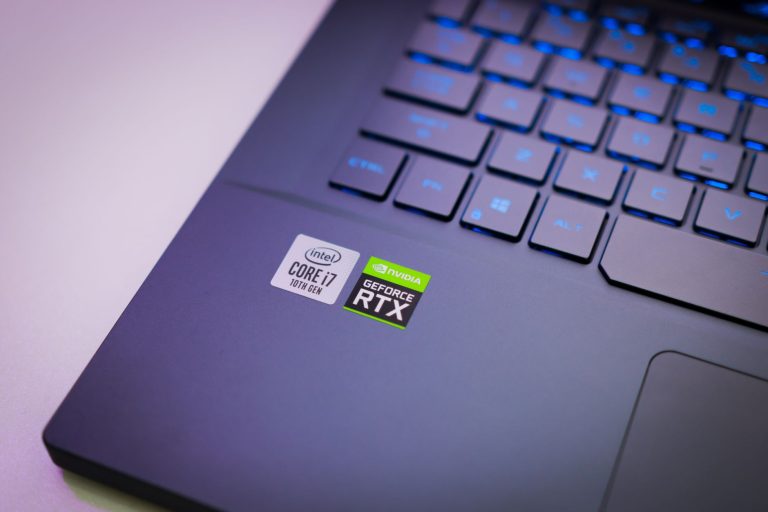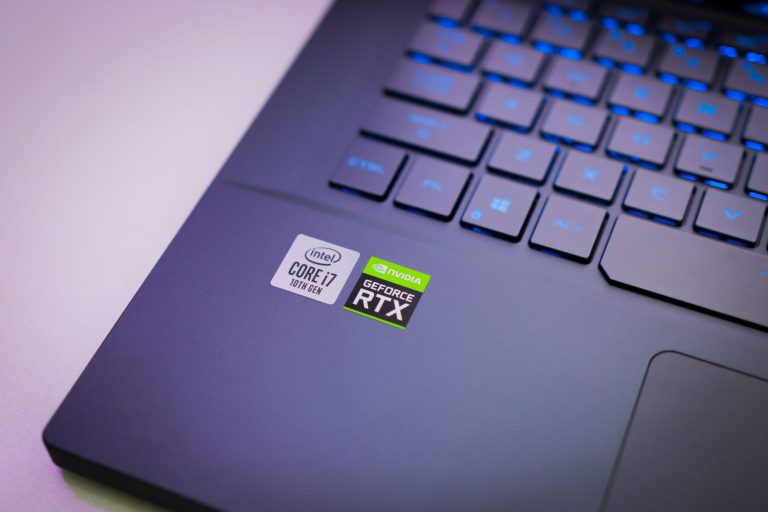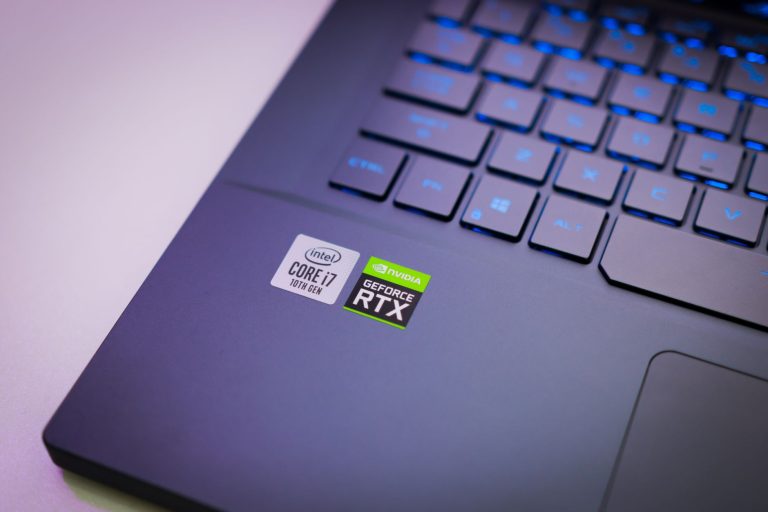

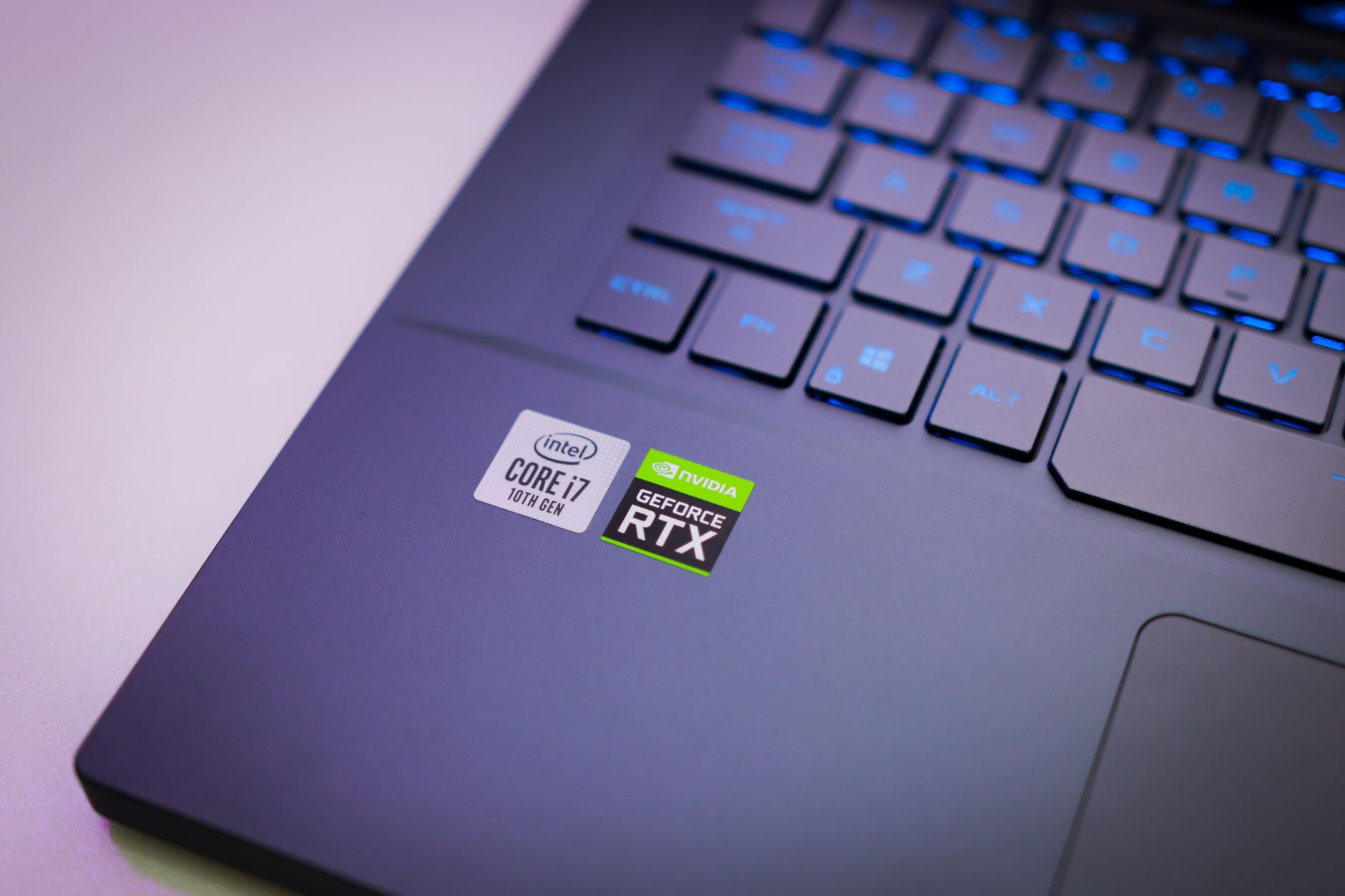
CPU price increase is a major concern as Intel and Qualcomm raise prices amid soaring AI demand. This trend is reshaping the laptop market significantly.
Understanding the CPU Price Increase
The recent surge in demand for artificial intelligence technology has led to significant shifts in the computer hardware market, particularly regarding processors. Major manufacturers like Intel and Qualcomm have announced a CPU price increase, driven by the heightened need for advanced computing capabilities in AI applications.
This price hike is most pronounced in the new Panther Lake series, which is designed to meet the escalating requirements of AI-driven tasks. As more companies integrate AI into their products, the demand for high-performance CPUs has skyrocketed, forcing manufacturers to adjust their pricing structures.
The implications of this CPU price increase extend beyond the manufacturers themselves. Consumers looking to purchase new laptops may find themselves facing higher prices, as retailers pass on the increased costs. Additionally, businesses investing in technology enhancements may need to reconsider their budgets and strategies as they navigate these new pricing realities.
Experts warn that if the demand for AI continues to grow, further price increases may be inevitable. As the technology landscape evolves, staying informed about these trends will be essential for consumers and businesses alike.
- Increased costs for high-performance CPUs
- Impact on laptop pricing
- Future projections for CPU prices
How AI Demand is Driving Costs Up
The surge in artificial intelligence (AI) applications has significantly impacted the computer hardware market, particularly with the CPU price increase affecting laptops. The demand for more powerful processors capable of handling AI workloads has prompted major manufacturers like Intel and Qualcomm to raise prices. This escalation is largely due to the need for advanced features that support AI functionalities, which are becoming essential in modern devices.
Several factors contribute to this trend:
- Increased Production Costs: Developing CPUs that can efficiently manage AI tasks requires advanced technology and higher-quality materials, leading to increased production costs.
- Supply Chain Constraints: The ongoing global semiconductor shortage has exacerbated the situation, limiting the availability of high-performance CPUs.
- Rising Demand: With AI technologies being integrated into various sectors, including healthcare, finance, and entertainment, the demand for capable CPUs has skyrocketed.
- Market Competition: As companies strive to enhance their AI capabilities, they are willing to pay a premium for the latest processors, further driving up prices.
The cumulative effect of these factors has resulted in a noticeable uptick in CPU prices, making it more challenging for consumers to afford laptops that meet the growing demands of AI. As a result, both businesses and individual users may feel the financial strain as they seek to upgrade their computing power.
Impact on Laptop Affordability
The recent surge in CPU prices has significant implications for laptop affordability, affecting both consumers and manufacturers alike. As Intel and Qualcomm raise their prices due to booming AI demand, the financial burden is inevitably passed on to end-users.
Many consumers are now facing tough decisions, as the cost of entry-level laptops rises sharply. This situation is particularly concerning for students and budget-conscious professionals who rely on affordable technology for their daily tasks. The CPU price increase has led to a ripple effect, causing:
- Higher Retail Prices: Retail prices for laptops equipped with the latest processors have increased, limiting choices for those with tight budgets.
- Longer Lifecycles: Users may opt to extend the lifespan of their current devices rather than investing in new models, leading to stagnation in technology adoption.
- Limited Innovation: Manufacturers may prioritize cost-cutting measures over innovation, potentially slowing down advancements in laptop technology.
As AI continues to shape the market, the consequences of rising CPU prices will likely persist. Consumers must navigate this new landscape, balancing their needs with the realities of increased costs. The ongoing CPU price increase raises questions about the future of laptop affordability and accessibility in a technology-driven world.
Intel and Qualcomm’s Pricing Strategies
In response to the growing demand for artificial intelligence capabilities, major semiconductor manufacturers such as Intel and Qualcomm have implemented notable pricing strategies that significantly contribute to the CPU price increase. These companies are adapting to market pressures, driven by the escalating need for powerful processors that can efficiently handle AI workloads.
Intel’s latest offerings, particularly the Panther Lake series, have seen some of the steepest price hikes in recent memory. This change comes as a direct response to increased production costs and a robust demand for high-performance chips. As laptops become essential tools for developers and businesses focusing on AI, Intel’s strategy aims to capitalize on this trend, albeit at the cost of consumer affordability.
Similarly, Qualcomm’s pricing adjustments reflect a similar outlook. With a shift towards more advanced 5G and AI integration in mobile devices, Qualcomm has opted to raise prices on its chipsets, impacting the overall cost of laptops that utilize their technology.
As these companies continue to navigate the balance between innovation and profitability, the resultant CPU price increase may hinder access to affordable laptops, putting pressure on both consumers and manufacturers alike.
Future Trends in CPU Pricing
The future trends in CPU pricing are becoming increasingly complex as the demand for artificial intelligence technologies continues to surge. With companies like Intel and Qualcomm raising their CPU prices significantly, consumers can expect to see a trickle-down effect on various computing devices, especially laptops. As manufacturers adapt to the rising costs, several factors are likely to influence the market.
- Increased Production Costs: As the demand for advanced CPUs grows, manufacturers may face higher production costs due to the need for more sophisticated technologies and materials.
- Supply Chain Challenges: Ongoing supply chain disruptions could further exacerbate the CPU price increase, leading to shortages that drive prices even higher.
- Market Competition: While some companies may raise prices, increased competition from emerging players could lead to price stabilization or even reductions in the long term.
- Technological Advancements: Future innovations may lead to more efficient CPU designs, potentially offsetting some of the price increases seen today.
As the landscape evolves, consumers should remain vigilant about how these factors will shape CPU prices, particularly as AI continues to influence the tech industry. Understanding these trends will be crucial for anyone looking to purchase a new laptop in the coming years.
The CPU price increase has made it increasingly difficult for consumers to afford the latest laptops equipped with advanced AI capabilities. As manufacturers struggle to keep up with demand, the CPU price increase continues to impact the overall market, leading to higher prices across the board.
Photo by Foysal Ahmed on Pexels
References
You might also like
Nvidia Shield TV Pro Price Increase: Worst Memory Costs Impact · Vivo S2 FE vs Redmi Note 17 Pro: The Best Specs Comparison · Oppo Find X10 Pro Max Price: Best Value for Your Money
About the Author