
Korea space industry has made significant advancements recently. With Nuri reaching orbit, the landscape of space exploration in Korea is changing rapidly.
Overview of Korea’s Space Industry
The Korea space industry has gained significant momentum in recent years, particularly with the successful launch of the Nuri rocket. This milestone has not only showcased Korea’s advancements in aerospace technology but also highlighted its potential as a competitive player in the global market.
Investments in the space sector are being prioritized by the government, leading to a surge in both public and private initiatives. Key developments include:
- Satellite technology: Korea has made strides in developing sophisticated satellites for communication and Earth observation.
- Research and development: Increased funding has been allocated to enhance research capabilities in space exploration.
- International collaborations: Partnerships with leading space agencies are fostering innovation and knowledge exchange.
With these efforts, the Korea space industry is positioned for growth, making it an attractive option for investors seeking opportunities in emerging technologies.
Recent Achievements in Space
The recent achievements in the Korea space industry highlight its growing capabilities and ambitions. A significant milestone was the successful launch of the Nuri rocket, which reached orbit during its latest mission. This accomplishment marks a pivotal moment for the nation’s aerospace endeavors.
In addition to the Nuri rocket, several other projects are gaining momentum:
- Satellite Development: Korea has made strides in developing advanced satellites for both communication and Earth observation.
- International Collaborations: Partnerships with global space agencies are fostering innovation and knowledge exchange.
- Private Sector Involvement: An increasing number of startups are entering the space market, contributing to the industry’s dynamism.
These developments not only boost Korea’s technological prowess but also present promising opportunities for investors interested in the expanding space sector.
Future Prospects for Korean Space Missions
The future prospects for the Korean space industry appear bright, fueled by recent advancements and a growing commitment to space exploration. With the successful launch of the Nuri rocket, Korea has demonstrated its potential in satellite deployment and deep space missions.
Key factors contributing to the optimism surrounding the industry include:
- Government Support: Increased funding and policy initiatives aimed at fostering innovation in space technology.
- International Collaboration: Partnerships with global space agencies that enhance research and development efforts.
- Emerging Private Sector: A burgeoning space startup ecosystem that is driving competition and new ideas.
As Korea continues to invest in its space capabilities, it may solidify its position as a competitive player in the global space market, making the Korea space industry an appealing choice for investors looking to capitalize on future growth opportunities.
Challenges Facing the Industry
The Korea space industry faces several challenges that could impact its growth and attractiveness for investors. Key issues include:
- Funding Constraints: Limited government and private sector funding can hinder the development of ambitious projects.
- Technological Gaps: While Korea has made significant strides, it still lags behind established players in advanced technology and innovation.
- Competition: The global market is increasingly competitive, with countries like the United States and China making substantial investments and advancements.
- Regulatory Hurdles: Navigating complex regulations can slow down project timelines and increase costs.
Despite these challenges, the Korea space industry has potential for growth, especially as international partnerships and collaborations continue to expand.
How Nuri’s Success Impacts Future Projects
The successful launch of Nuri has significantly bolstered the prospects of the Korea space industry, instilling confidence among investors and stakeholders. As Nuri demonstrates its capabilities, it paves the way for a series of ambitious projects aimed at advancing Korea’s presence in the global space arena.
Key implications of Nuri’s success include:
- Increased Funding: A successful mission often leads to greater investment opportunities, attracting both public and private funding.
- International Collaboration: Enhanced credibility may foster partnerships with other nations and space agencies.
- Technological Advancements: Lessons learned from Nuri’s development will inform future projects, improving efficiency and innovation.
Overall, the success of Nuri not only marks a milestone for the Korea space industry but also sets a promising foundation for future missions and investments.
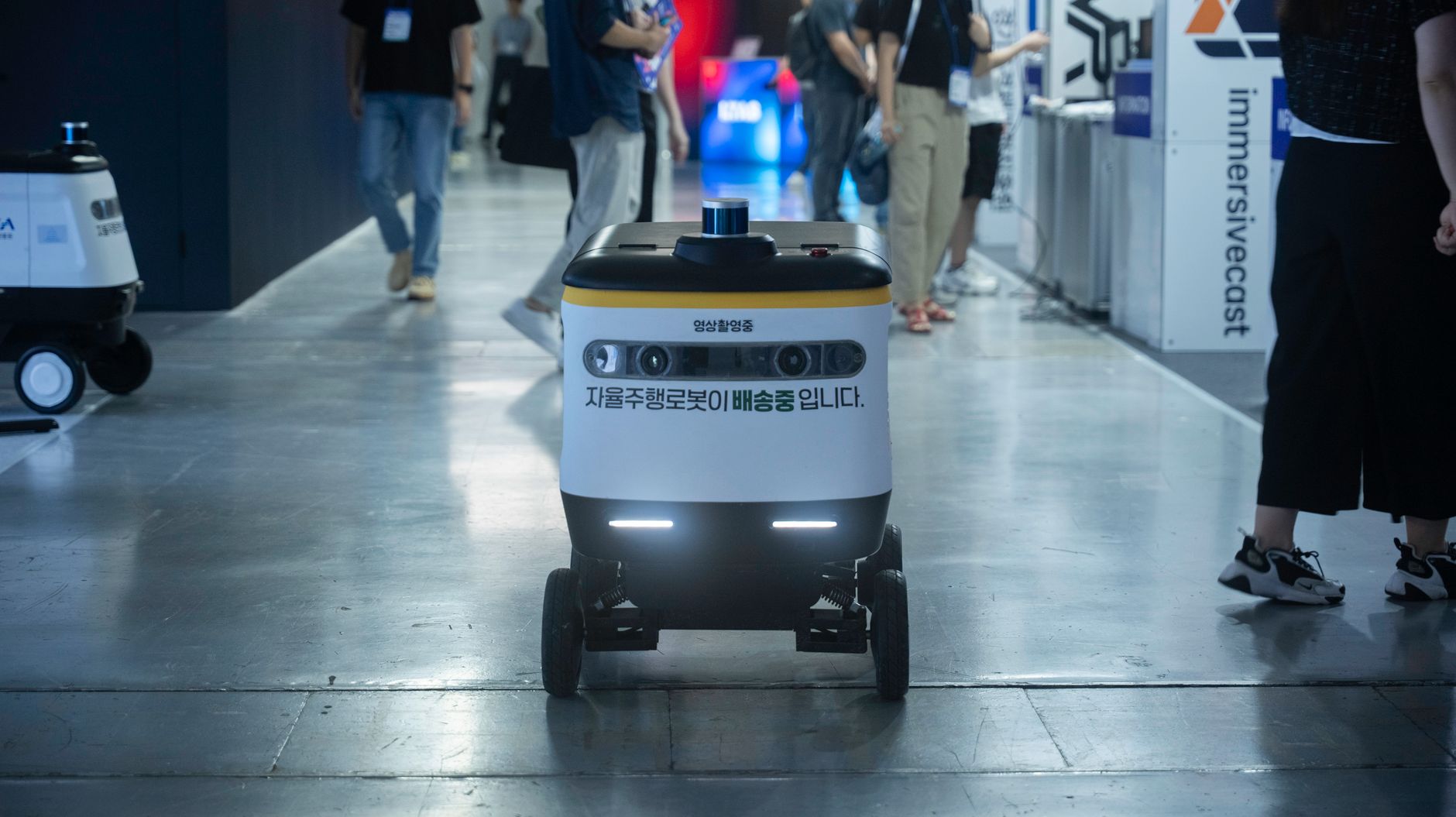
Photo by Youn Seung Jin on Pexels
Sources
OpenAI Math Release: The Real Impact of 722 AI Manuscripts · AI Startup Funding: Proven Strategies for Success · AI Healthcare Policy: The Smart Way to Shape US Health
About the Author