

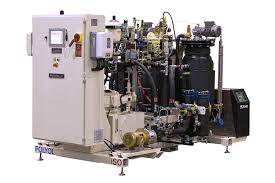
In modern industrial production, efficiency and precision are essential for maintaining product quality, and the role of Urethane Dispensing Equipment has become increasingly important in polyurethane processing applications across multiple sectors. From automotive components to insulation materials, industries rely on controlled dispensing systems to ensure accurate mixing, reduced waste, and consistent performance in every production cycle.
What is Urethane Dispensing Equipment?
What exactly does urethane dispensing equipment do in polyurethane processing environments? It is specialized machinery designed to measure, mix, and apply polyurethane components in precise ratios. These systems handle two or more chemical streams that must be combined accurately before being applied to molds, surfaces, or production lines.
Polyurethane materials are highly reactive and sensitive to environmental conditions. Even minor variations in mixing ratios or temperature can significantly affect product strength, flexibility, and durability. Dispensing equipment eliminates these inconsistencies by automating the entire process.
How Does Polyurethane Dispensing Technology Work?
How does polyurethane dispensing technology ensure accurate chemical processing? The system operates through a controlled sequence of material handling, mixing, and application.
Raw materials are stored in separate tanks and delivered through metered pumps. These pumps regulate flow rates to ensure correct proportioning of each component. The materials then enter a mixing chamber where they are blended under controlled pressure.
Once mixed, the polyurethane compound is dispensed through a nozzle or application head onto the target surface. Advanced systems include sensors that continuously monitor pressure, viscosity, and flow rate, ensuring stability throughout production.
Automation plays a key role in minimizing human intervention, reducing errors, and maintaining consistency across large-scale manufacturing operations.
Why Precision is Critical in Polyurethane Processing?
Why is precision so essential when working with polyurethane materials? The chemical reaction between components must be exact to achieve the desired physical properties in the final product.
If the mixing ratio is incorrect, it can lead to issues such as weak bonding, uneven curing, or structural instability. Precision ensures that every batch performs consistently, which is especially important in industries like automotive manufacturing, construction insulation, and electronics protection.
Additionally, accurate dispensing helps reduce material waste, lowering production costs and improving overall operational efficiency.
Key Components of Dispensing Systems?
What are the essential components that make up modern polyurethane dispensing systems? These machines are built from several integrated parts that work together seamlessly.
Material storage tanks are designed to maintain stable temperature and prevent contamination. High-precision pumps regulate the flow of each chemical component. Mixing units ensure that materials are combined evenly under controlled conditions.
Control systems allow operators to program dispensing parameters such as ratio, speed, and timing. Sensors provide real-time feedback, enabling automatic adjustments when necessary. Dispensing heads ensure accurate application of the final mixture onto production surfaces.
Each component contributes to the reliability and accuracy of the entire system.
Applications of Urethane Dispensing Equipment?
Where is urethane dispensing technology commonly used in industrial environments? Its applications span across a wide range of industries due to the flexibility of polyurethane materials.
In automotive manufacturing, it is used for sealing, gasketing, vibration damping, and structural reinforcement. In construction, polyurethane is applied in insulation panels, waterproof coatings, and adhesive systems.
The electronics industry relies on dispensing equipment for potting and encapsulation, protecting sensitive components from moisture, dust, and mechanical stress. Furniture and bedding manufacturers use polyurethane foam systems to produce comfortable and durable cushioning products.
Aerospace and marine industries also benefit from these systems, especially in applications requiring lightweight yet strong structural materials.
Advantages of Advanced Dispensing Solutions?
What benefits do advanced polyurethane dispensing systems provide to manufacturers? One of the primary advantages is improved production consistency. Automated systems ensure that every unit is produced under identical conditions, reducing variability.
Another major benefit is increased efficiency. Automation reduces cycle times and allows continuous production without frequent interruptions. This leads to higher output rates and improved productivity.
Cost savings are also significant. Precise material handling reduces waste and ensures optimal use of raw materials. Over time, this contributes to lower operational costs and improved profitability.
Safety is another important advantage. By limiting direct human contact with reactive chemicals, these systems help create a safer working environment.
Challenges in Polyurethane Dispensing Processes?
What challenges are commonly encountered in polyurethane processing systems? Despite their advantages, these systems require careful management and maintenance.
One of the main challenges is material sensitivity. Polyurethane components can react to moisture and temperature fluctuations, affecting final product quality. Proper storage and environmental control are essential.
System calibration is also critical. If equipment is not correctly calibrated, even small deviations can lead to defective output.
Regular maintenance is necessary to prevent clogging or wear in mixing heads and pump systems. Without proper upkeep, performance and efficiency can decline over time.
Technological Advancements in Dispensing Systems?
How is technology improving polyurethane dispensing equipment today? The industry is moving toward smarter, more automated systems that integrate digital controls and real-time monitoring.
Advanced sensors now allow continuous tracking of flow rates, pressure levels, and material viscosity. This data helps systems automatically adjust parameters for optimal performance.
Artificial intelligence and predictive maintenance technologies are also being introduced. These systems can detect potential failures before they occur, reducing downtime and improving reliability.
Energy-efficient designs are becoming more common as manufacturers focus on sustainability and reduced operational costs. These innovations are shaping the future of polyurethane processing.
How to Select the Right Dispensing System?
How can manufacturers choose the most suitable urethane dispensing system for their production needs? The selection depends on several important factors.
Production volume is a key consideration. High-volume operations require fully automated systems with advanced control capabilities. Smaller operations may benefit from compact and flexible setups.
Material type and viscosity also influence system choice. Some polyurethane formulations require specialized handling or temperature control.
Maintenance requirements, scalability, and integration with existing production lines should also be evaluated before making a decision.
Choosing the right system ensures long-term efficiency, reliability, and cost-effectiveness.
Future of Polyurethane Dispensing Technology?
What does the future hold for polyurethane dispensing systems? The industry is expected to evolve with greater emphasis on automation, connectivity, and intelligent manufacturing.
Smart factories will increasingly rely on interconnected systems that communicate in real time. This will allow for more precise control over production processes and improved quality assurance.
Sustainability will also play a major role, with new systems designed to reduce energy consumption and material waste. Enhanced recycling capabilities and eco-friendly materials are likely to become standard in future production environments.
As technology continues to advance, polyurethane dispensing equipment will become even more efficient, reliable, and adaptable.
Conclusion
In today’s manufacturing landscape, precision and automation are essential for producing high-quality polyurethane-based products. Advanced dispensing systems provide the control and consistency required to meet modern industrial demands.
By combining accuracy, efficiency, and intelligent automation, these systems play a crucial role in improving production outcomes across multiple industries. As innovation continues, polyurethane processing will become more refined, sustainable, and technologically advanced, supporting the future of modern manufacturing.
About the Author